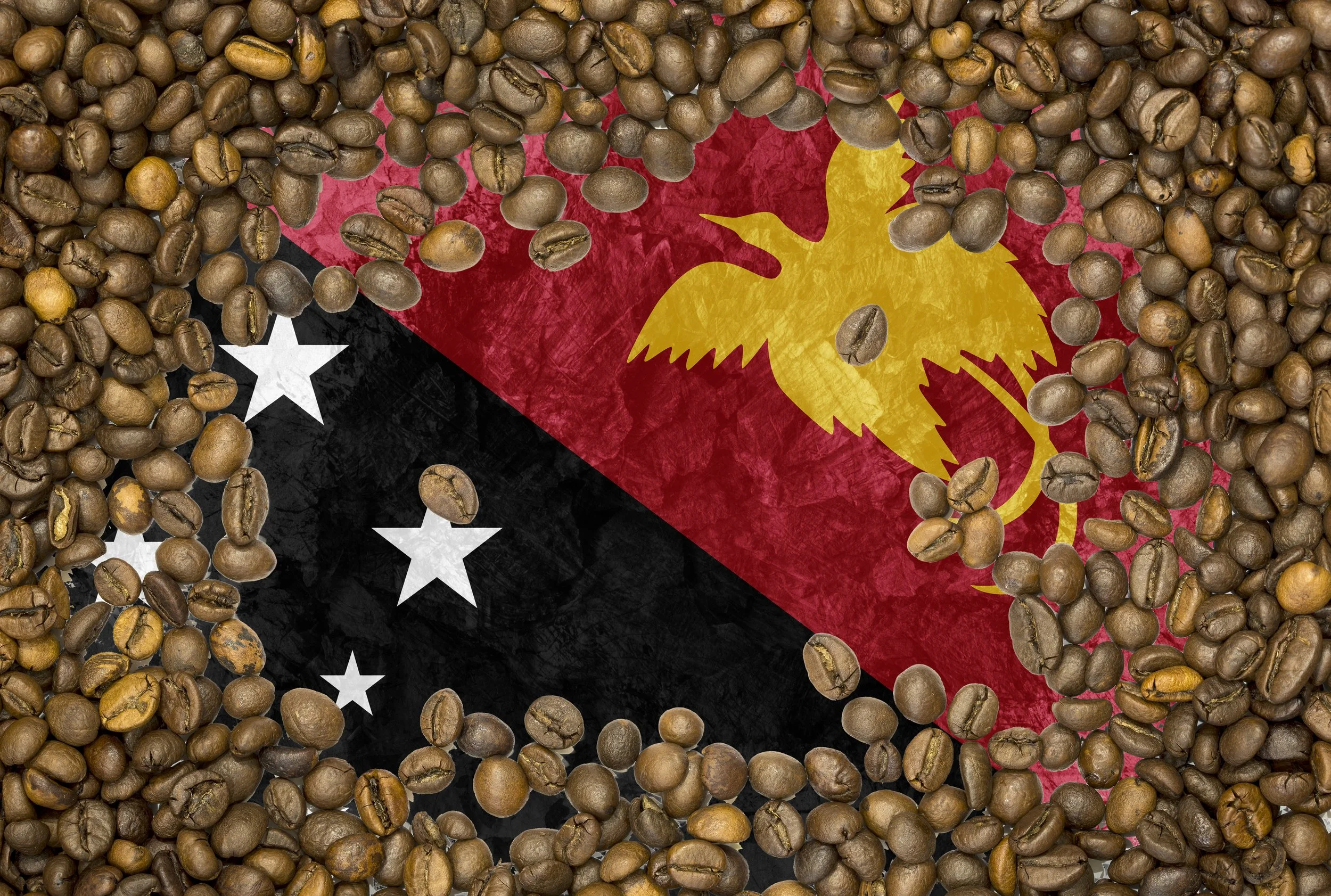

Supporting Sustainable Coffee-Growing Communities
The Tom Aynsley Foundation supports sustainable community development in coffee-growing regions of Papua New Guinea, with a focus on education, agricultural resilience and long-term economic opportunity.
Our work recognises that coffee is more than a crop. In many rural communities it is the primary source of income, a driver of participation in the cash economy, and a foundation for family and community stability.
Our approach
We work alongside local communities to support practical initiatives that strengthen capability, improve outcomes and can be sustained over time
Projects are community-led, grounded in local knowledge and delivered through clearly defined governance arrangements. The Foundation’s role is to support, enable and partner — not to replace local leadership or decision-making.
Education as a foundation
Access to education is central to long-term opportunity in coffee-growing regions.
The Foundation’s inaugural project supported the expansion of the Bauka primary school in a remote coffee-producing community in the Aiyura Valley in Papua New Guinea’s Eastern Highlands Province. That experience reinforced the importance of education infrastructure in enabling children from farming families to build skills, confidence and meaningful choices beyond subsistence livelihoods.
Education continues to inform how the Foundation assesses and supports community initiatives.
Strengthening agricultural livelihoods
Sustainable coffee production depends on healthy gardens, practical skills and the capacity to adapt to changing conditions.
In the Menyamya district of the Morobe Province, the Foundation is supporting a community-led coffee rehabilitation project focused on restoring productivity in existing coffee gardens through pruning, soil improvement, organic practices and skills transfer.
By concentrating on rehabilitation rather than expansion, the project aims to strengthen livelihoods while protecting land, resources and community resilience.
Community resilience and participation
Across its work, the Foundation places emphasis on:
practical skills transfer
participation by women and young people
locally appropriate solutions
shared responsibility for long-term outcomes
These principles reflect the realities of remote coffee-growing communities and support broader social and economic resilience.
Papua New Guinea
Papua New Guinea remains a core focus of this work. Many coffee-producing regions face geographic isolation, limited infrastructure and constrained access to services.
By supporting carefully governed, community-driven initiatives in these regions, the Foundation seeks to contribute to stronger livelihoods and more resilient communities over time.
How projects are delivered
The Foundation works through clearly defined projects and partnerships, with:
agreed objectives and milestones
staged funding and reporting
appropriate financial and governance controls
This approach supports accountability while allowing flexibility to respond to local conditions.
Looking ahead
The Foundation will continue to support a small number of focused initiatives where it can add genuine value through partnership, practical support and long-term engagement.
