BAUKA SCHOOL
PROJECT AIYURA VALLEY, OBURA-WONENARA DISTRICT EASTERN HIGHLANDS PROVINCE
PAPUA NEW GUINEA

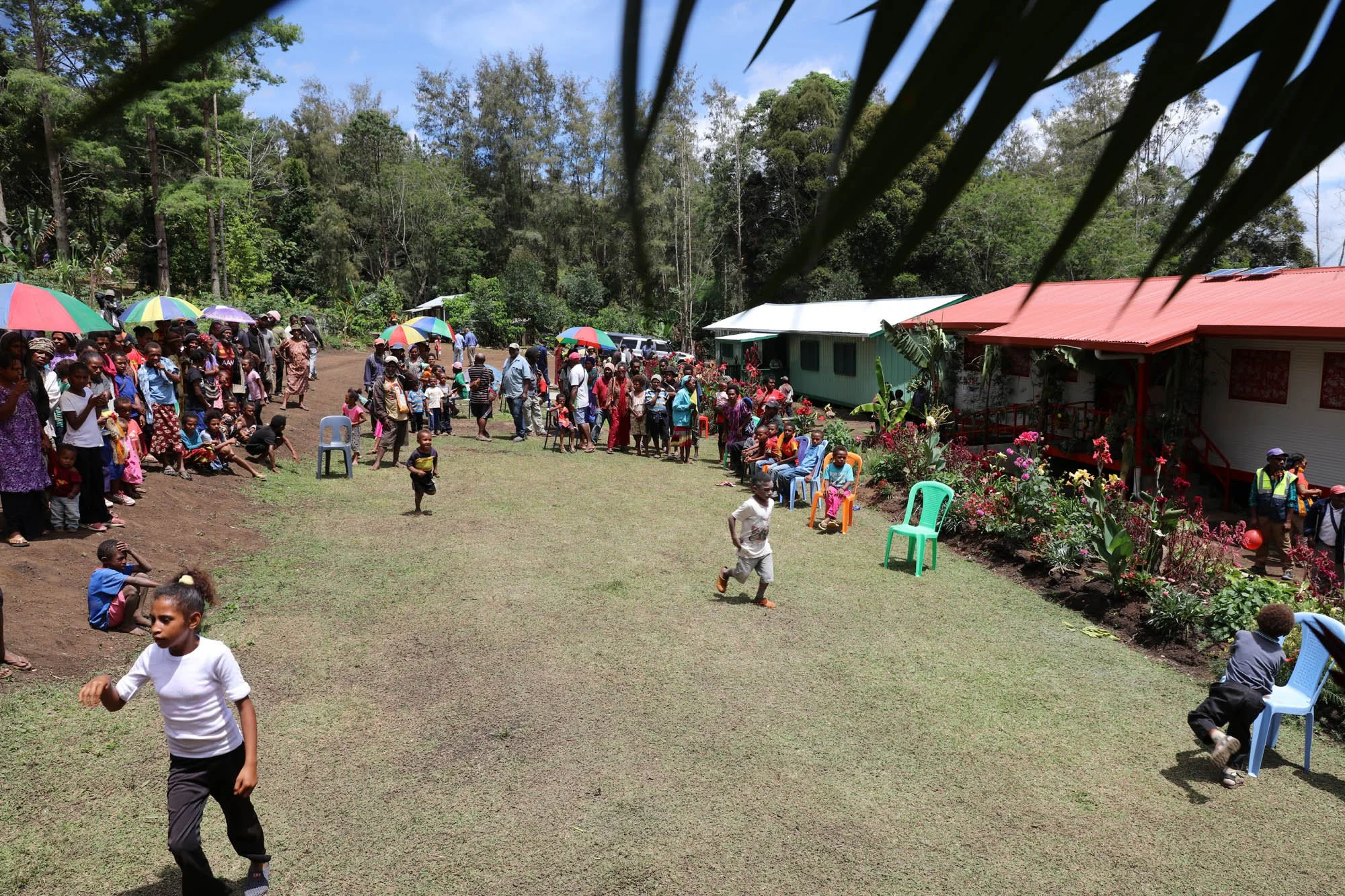
Bauka International Christian Light Academy (Bauka ICLA)
The Bauka International Christian Light Academy School (Bauka ICLA) project provides a double elementary school classroom, water tank and sanitary facilities on the edge of the Bauka Plantation in the Obura-Wonenara District, Eastern Highlands Province of Papua New Guinea – approximately two hours east of Goroka in the Aiyura Valley.
In terms of education, the district was listed in an Australian National University research paper as number one on a list of the top ten least developed districts in all of PNG. The project provides a much needed expansion of the school.
The school is located in the heart of a coffee producing community and supports the education of children whose families are involved in growing coffee – small-holders, subsistence farmers and plantation workers.
Background and Growth
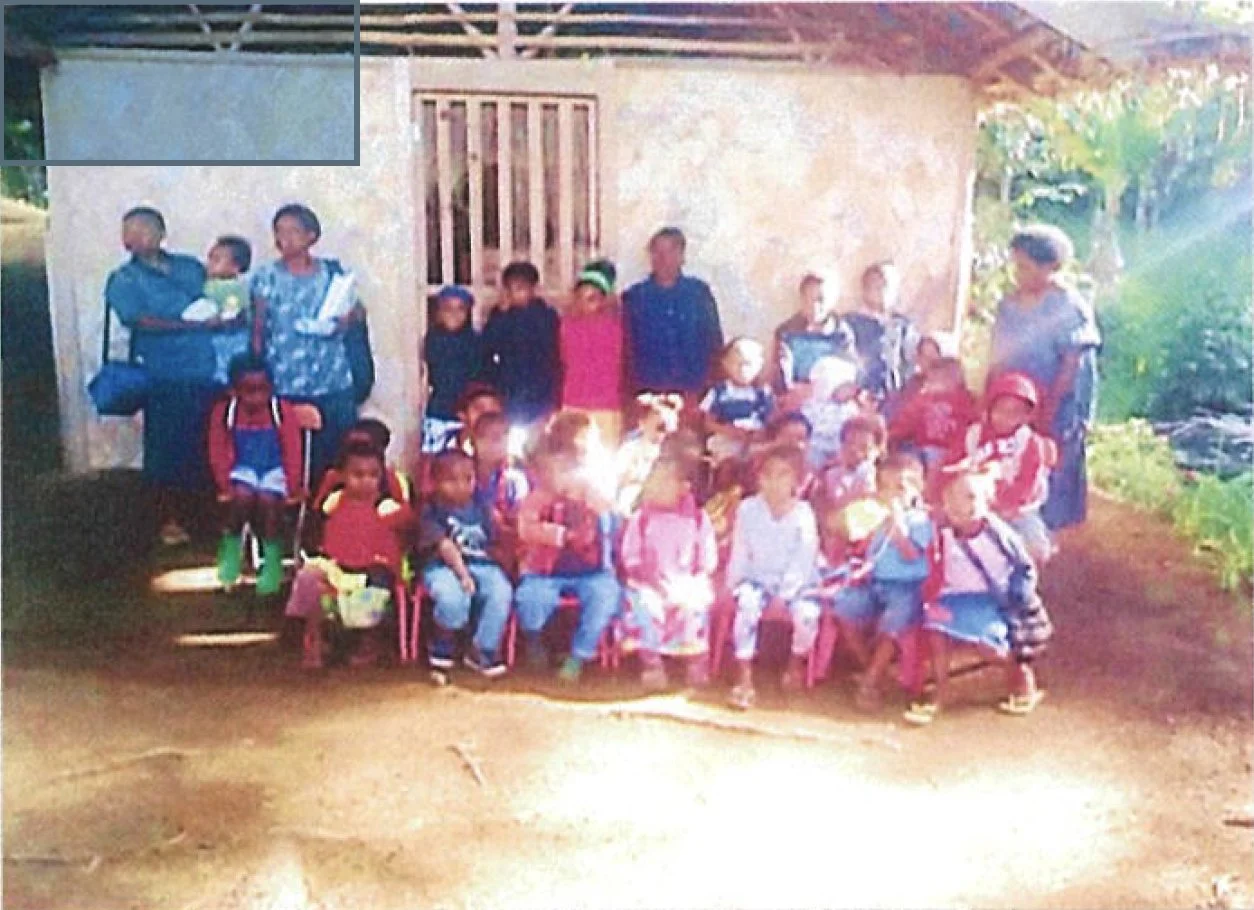
An Early Learning Centre was established in 2015 as a home school for the children on the farm (Bauka Micro Farm) of Marey and Jon Yogiyo.
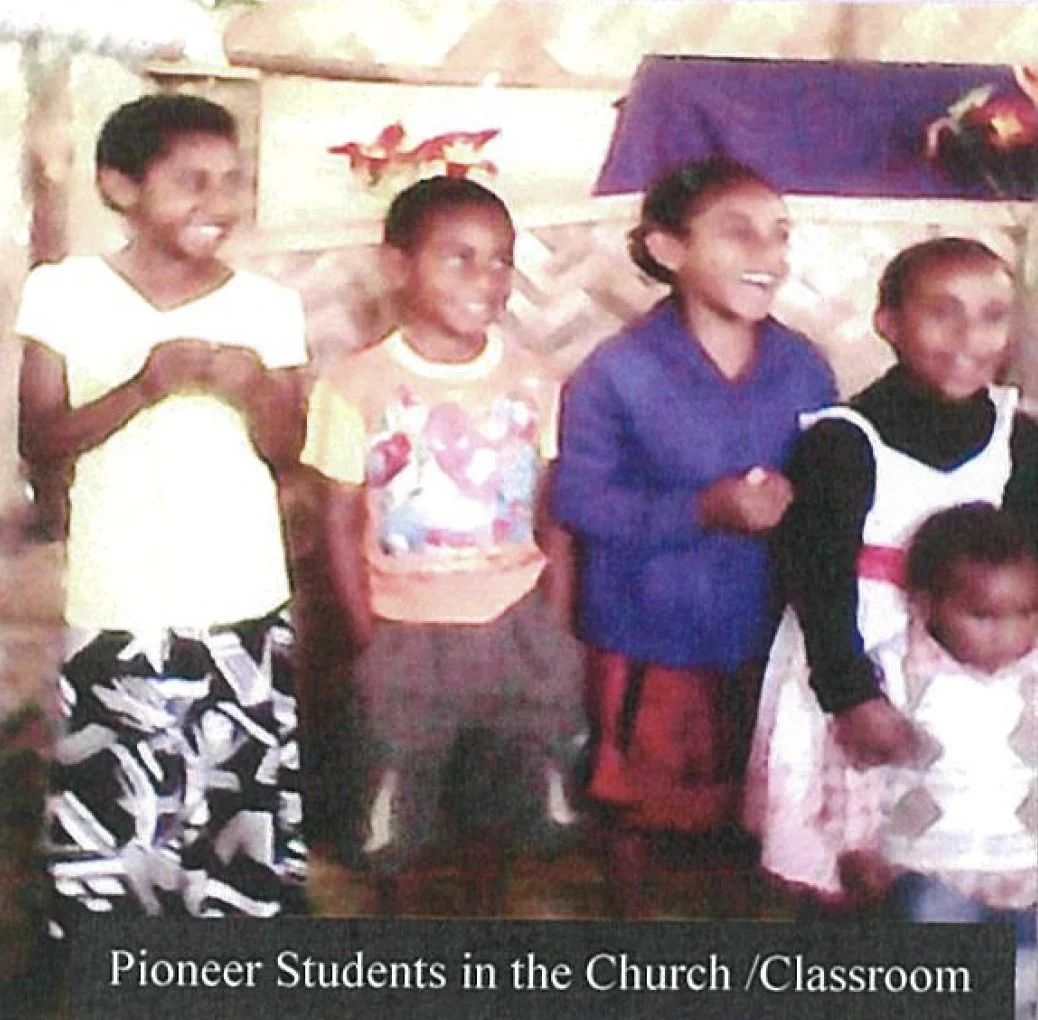
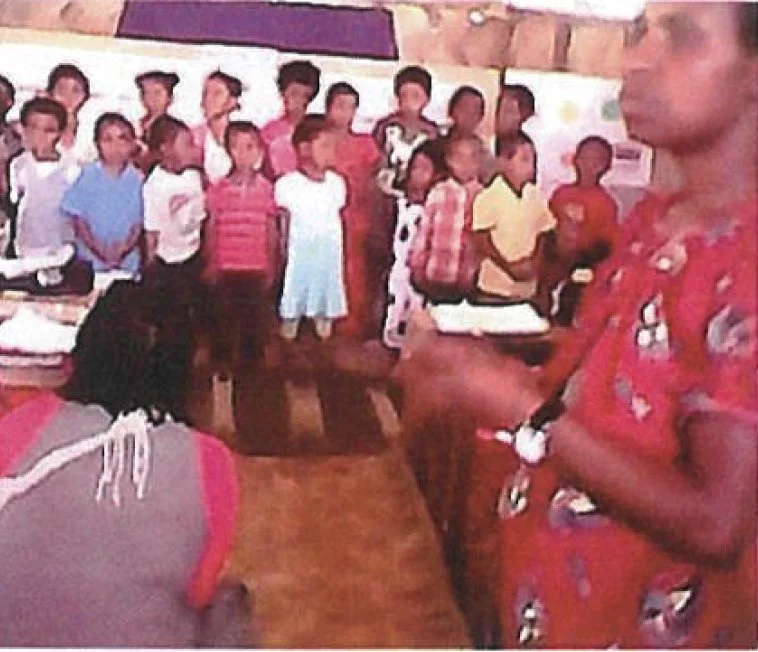
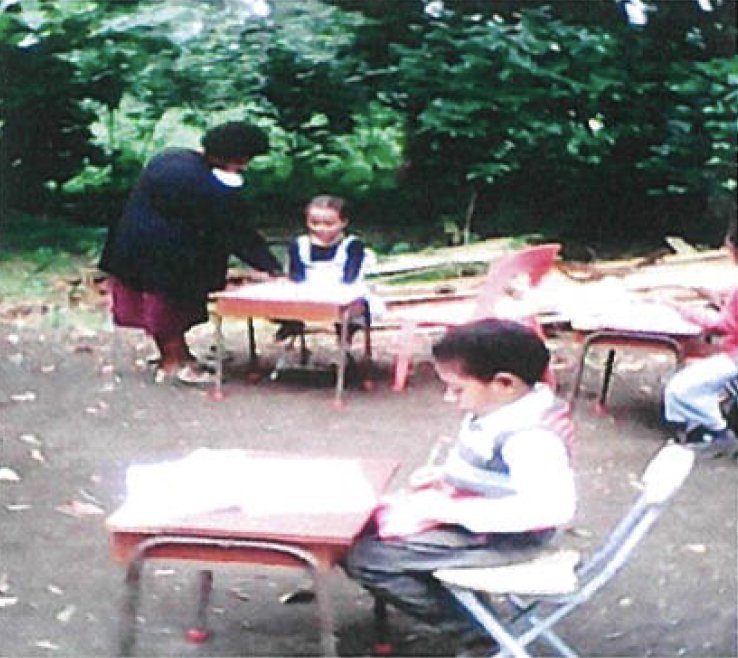
The school was expanded in 2016 by the Bauka Women in Coffee Association (BWiC) as a community service. Upper grades were accommodated in a room under a residence, while lower grades used a church building. The first intake was 33 students aged between four and eight years old, Kindergarten to Year 3. At that point, some classes needed to run outdoors to make space for others.
In 2017, with the assistance of donations arranged by a district parliamentary member, a new semi-permanent classroom was built. It was completed in July and enrolments increased to 40.
In 2018, enrolments increased again to 52. In association with the Tom Aynsley Foundation, a new double classroom has now been constructed by a generous partner/donor on the ground in PNG. This supports an enrolment increase to 100 students in the 2019 year.
Project Scope
The Bauka ICLA project was delivered at a total cost of K190,000 (approximately A$80,000). The new building includes:
A double classroom with teachers’ office space between the rooms
Solar lighting
Student and teacher desks and chairs
Blackboards and whiteboards
A 9,000L water tank
Two ventilation improved pit toilets
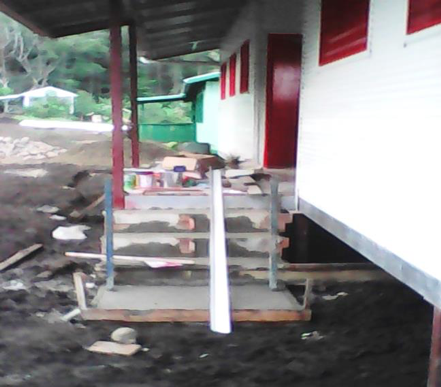
A ramp providing access for students with disabilities
Official Inauguration
On 15 January, teachers, students and community members gathered at Bauka Farm for the official inauguration of the new double classroom project.
Jon Yogiyo expressed gratitude:
“For this new gift which is for our children. These children will be educated in this quality classroom to learn, grow, prosper and contribute to the development of Papua New Guinea.”
Mike and Belinda Aynsley attended to formally hand over the project to the school and dedicate the classroom to the memory of Tom.
Mike spoke about Tom’s background and the establishment of the Foundation, explaining that Tom had developed a strong interest in the coffee industry and the communities that produce coffee. Although he had begun his path in the industry, he passed away only weeks into it.
For that reason, the Foundation’s focus was established around supporting coffee producing communities.
Tom’s Foundation works through grants and projects to support people and their communities. The Bauka ICLA project reflects that purpose and was delivered with the support of a generous partner, Digicel, who donated the necessary on the ground project management time and the substantial funding.
Dedication
During the unveiling of a memorial plaque, Belinda Aynsley dedicated the classroom to Tom.
She spoke of his character and values, and of the Foundation’s hope that students who attend Bauka ICLA will learn honesty, integrity and fairness, and carry those values throughout their lives.
Long-Term Vision
The longer-term plan is to develop the school through to Grade 12 by 2026.

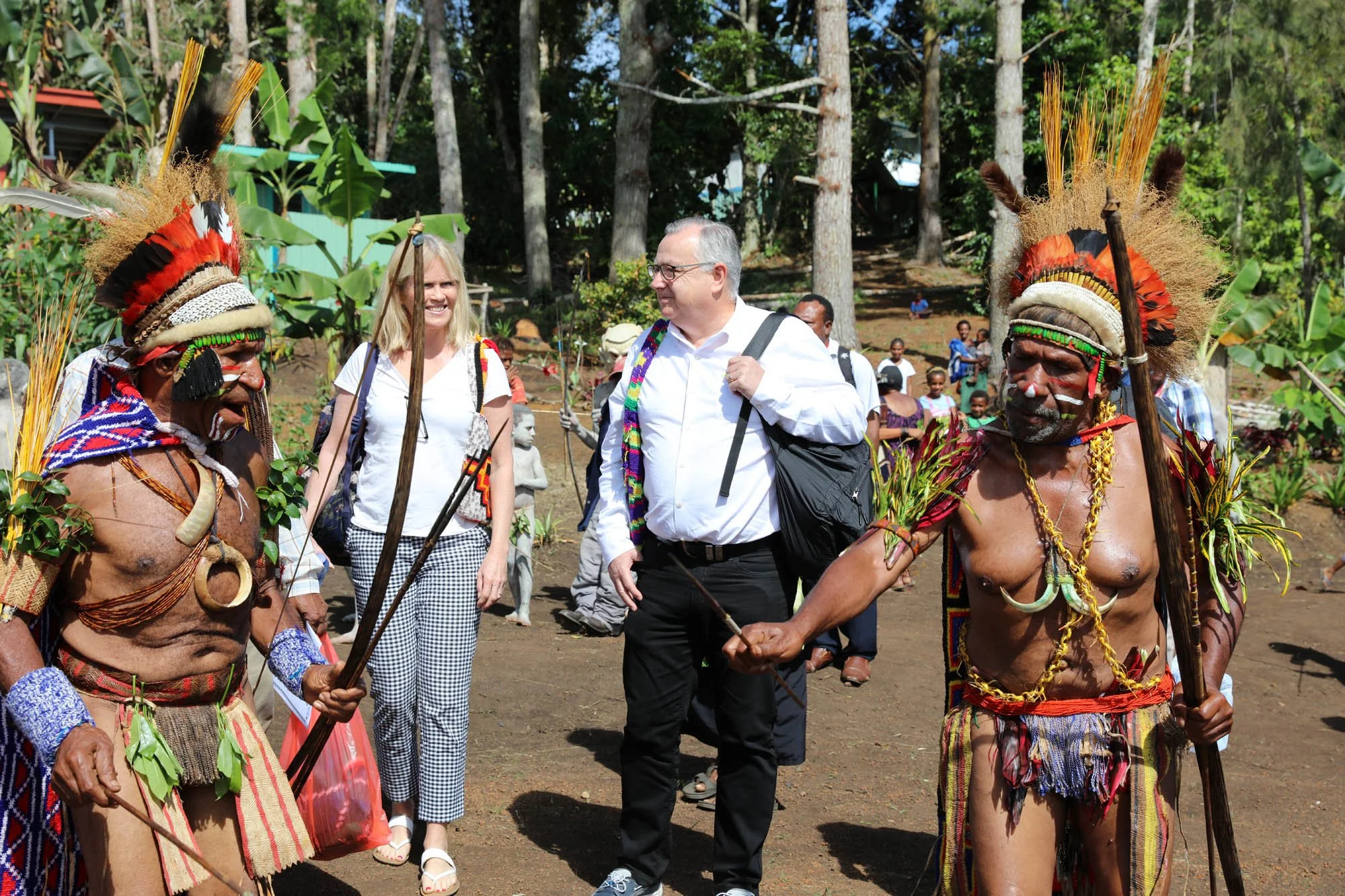
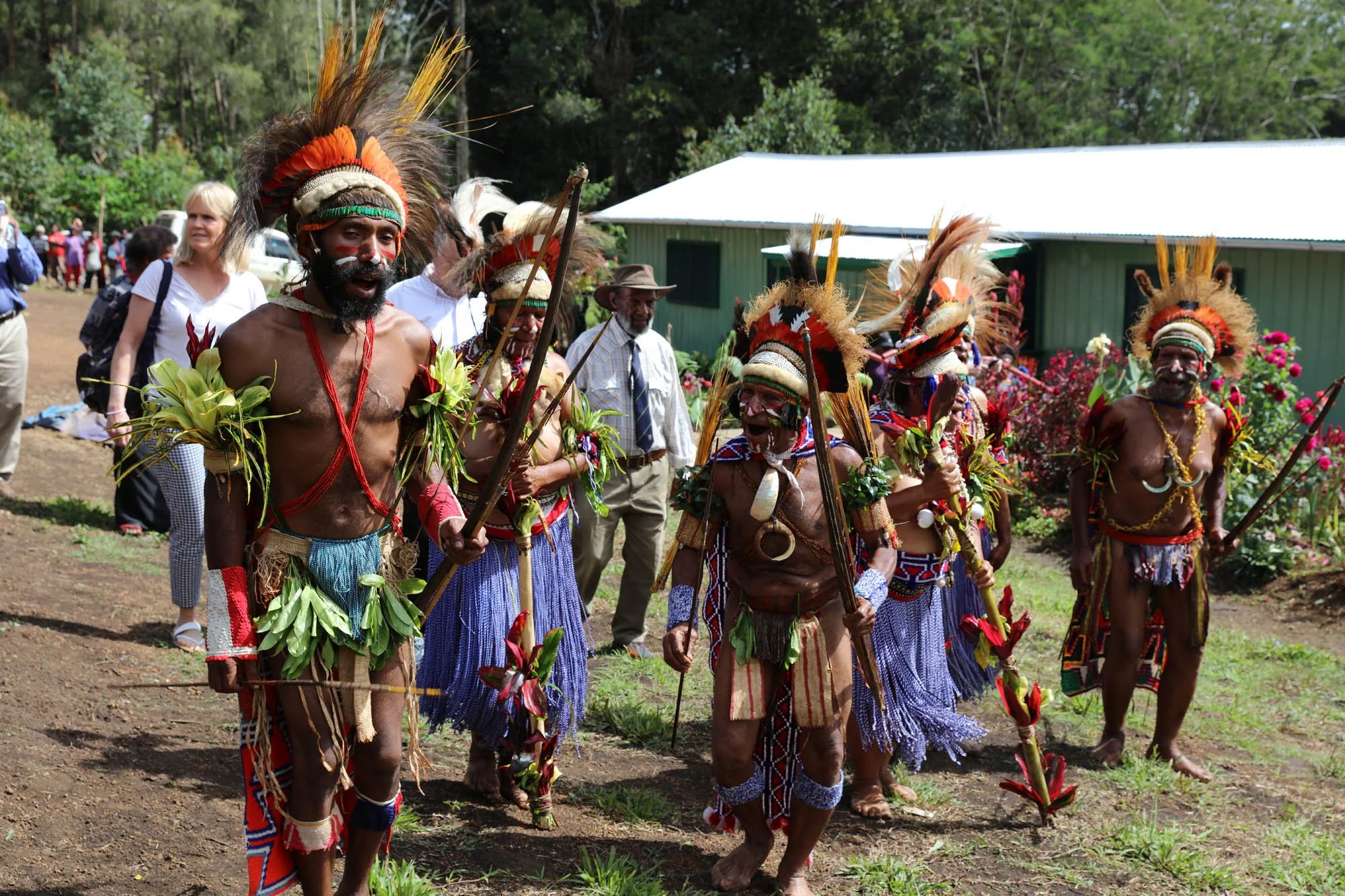
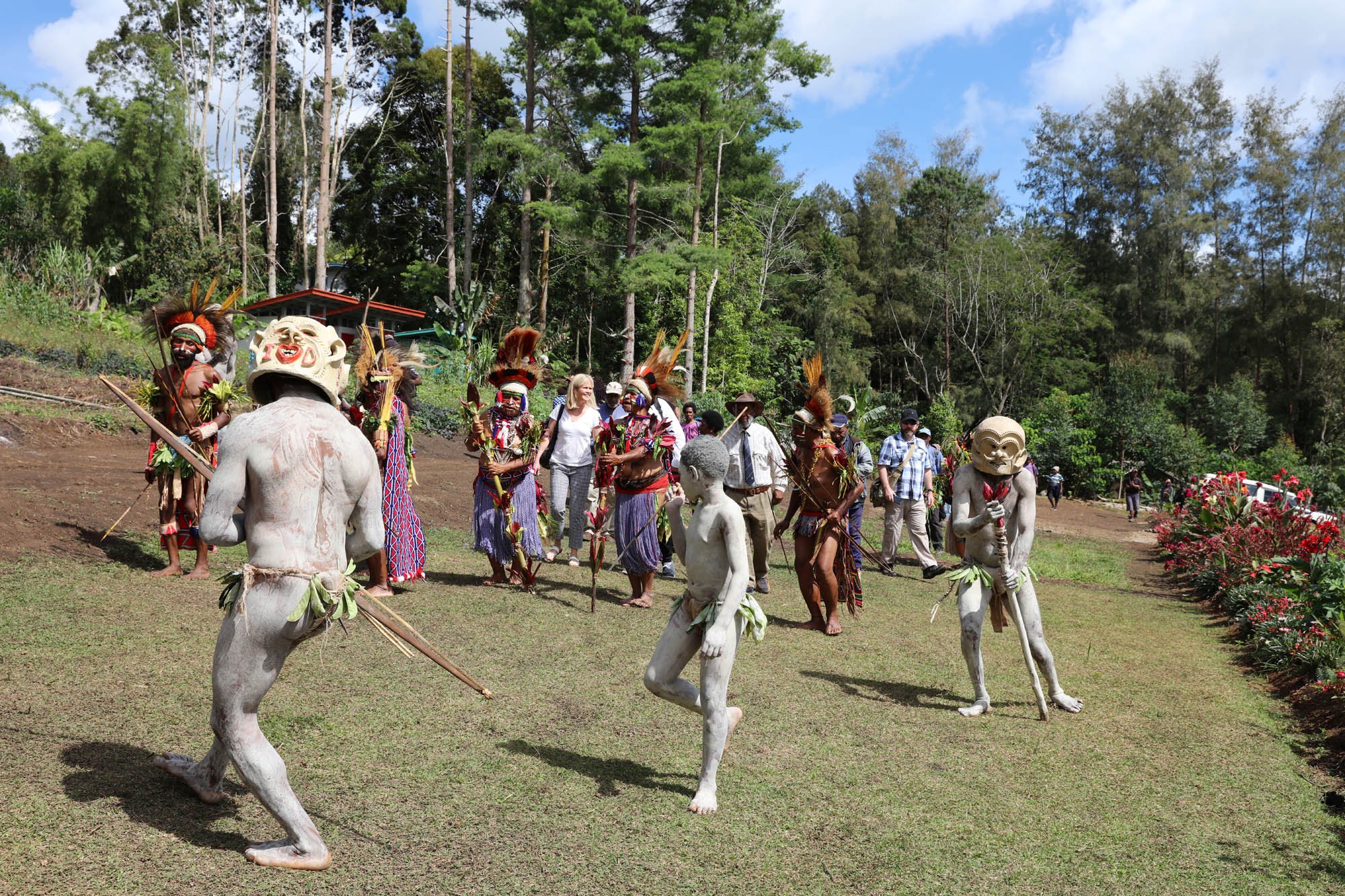

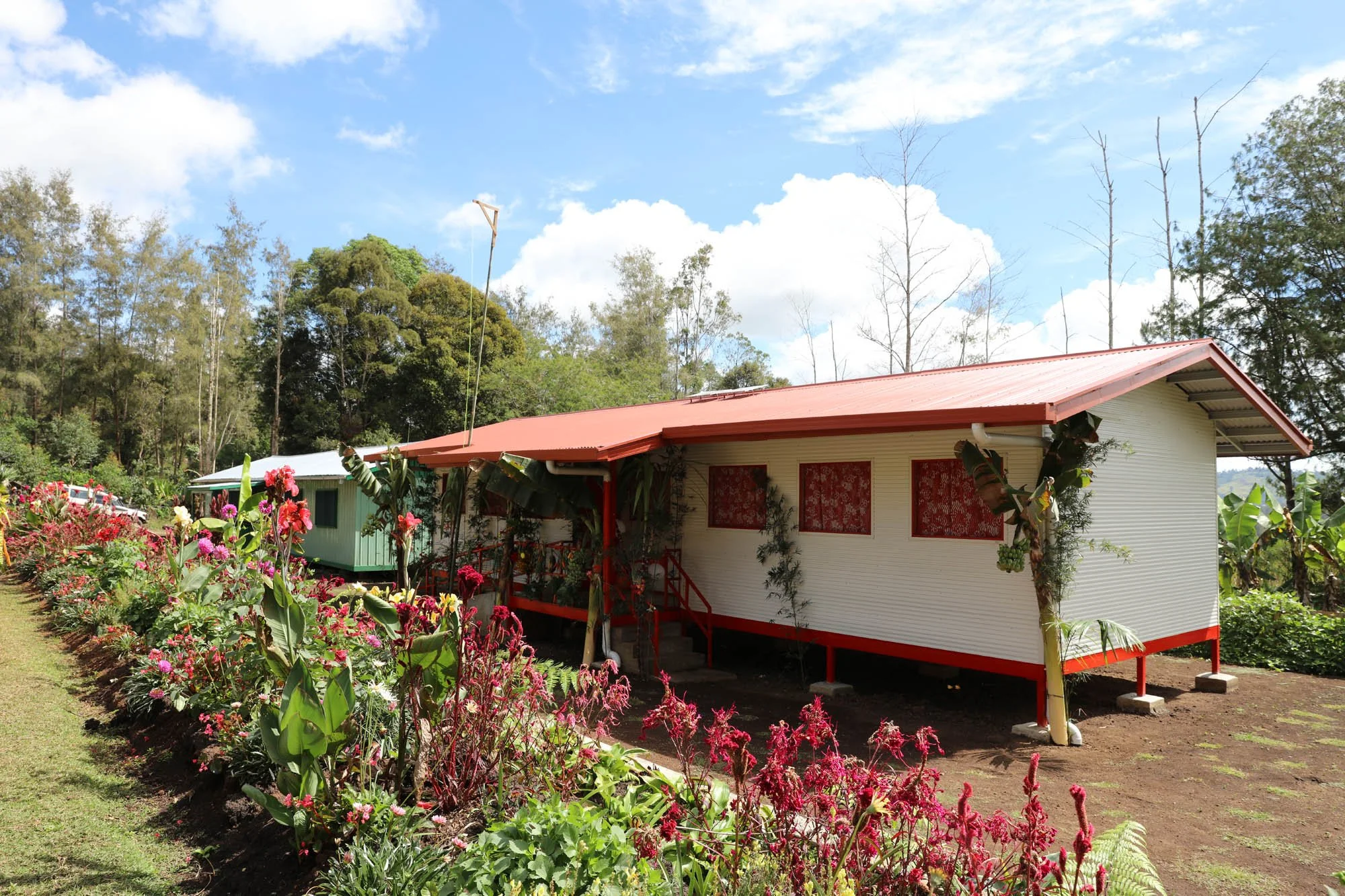
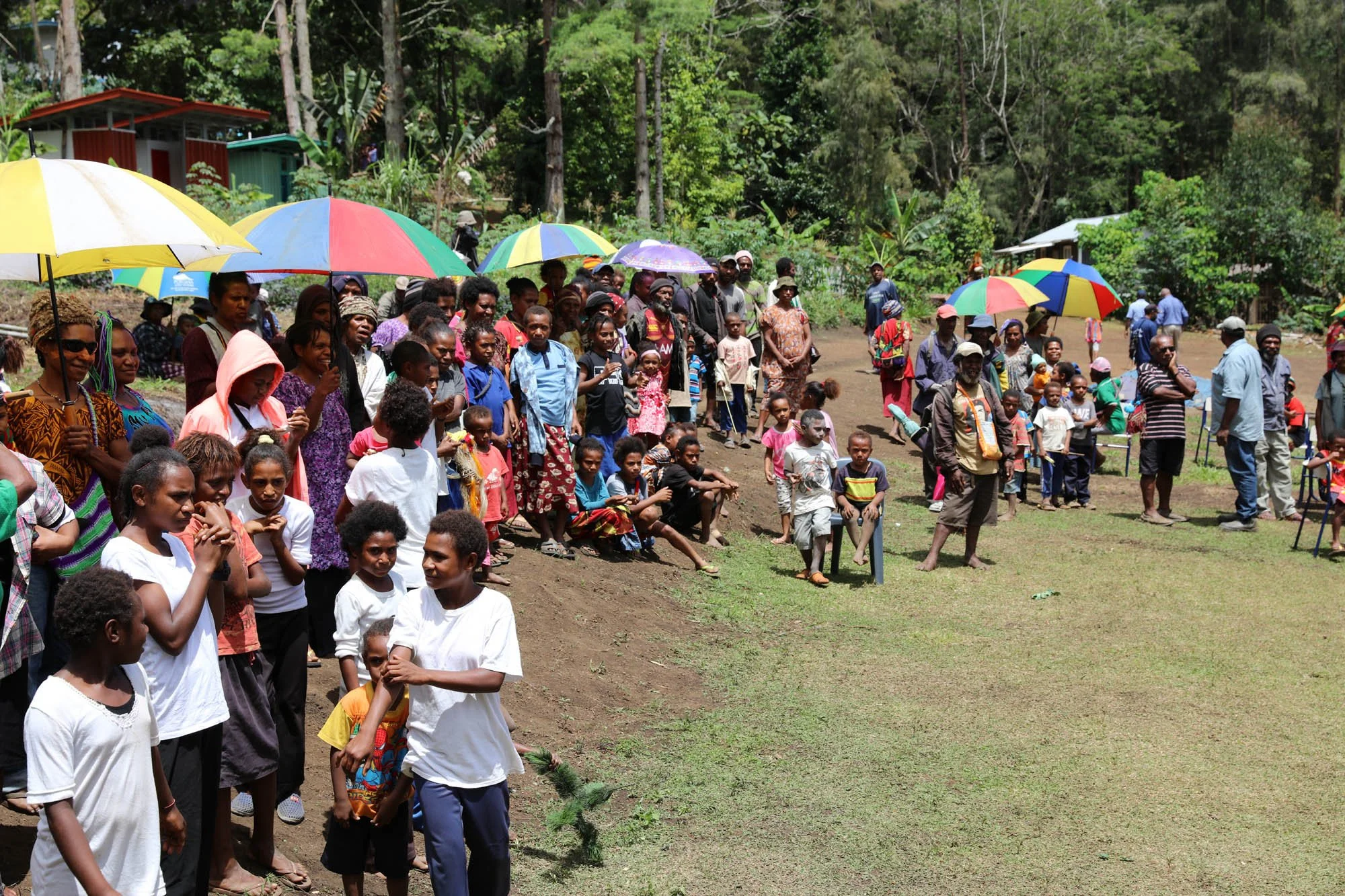
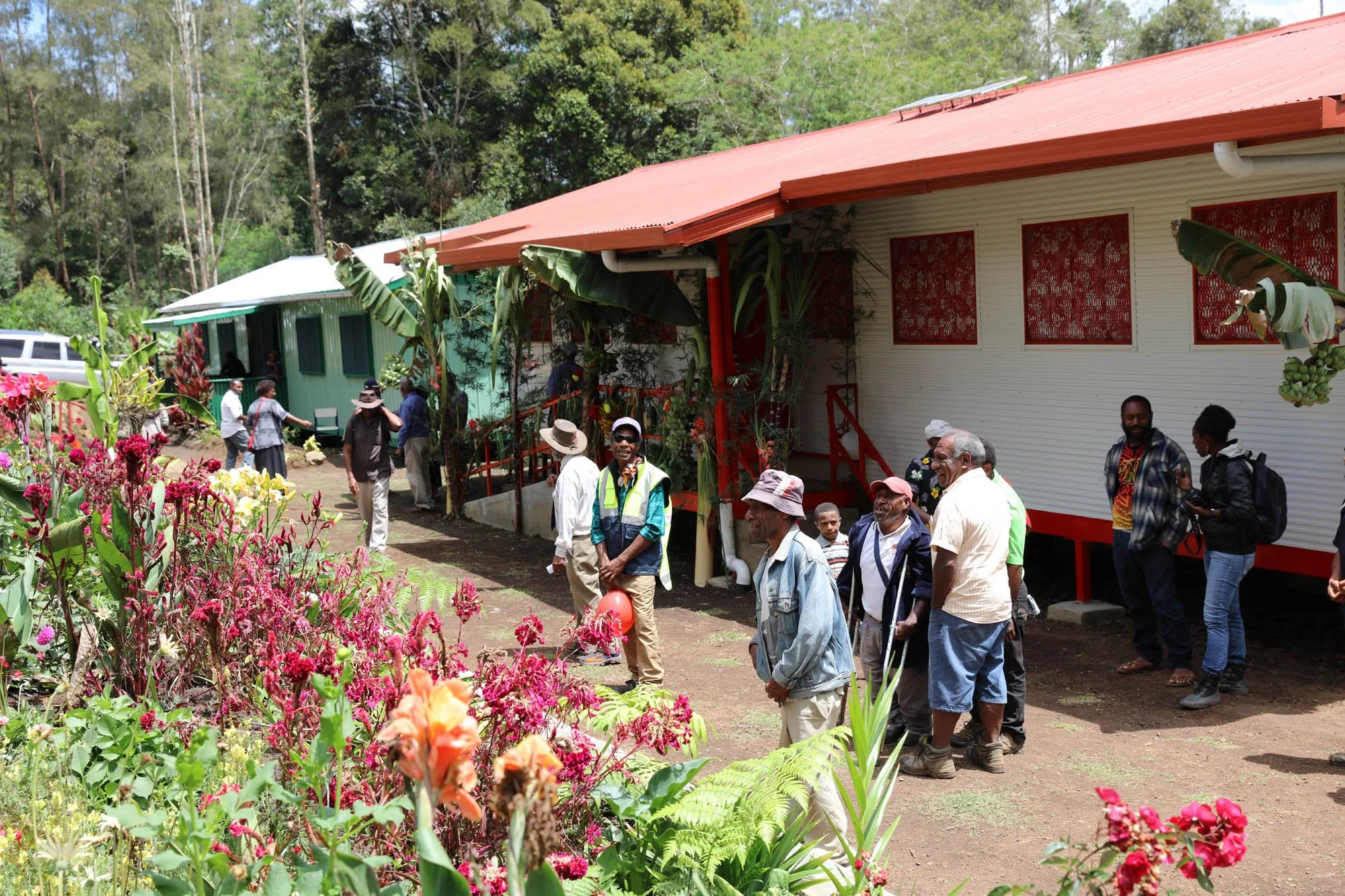
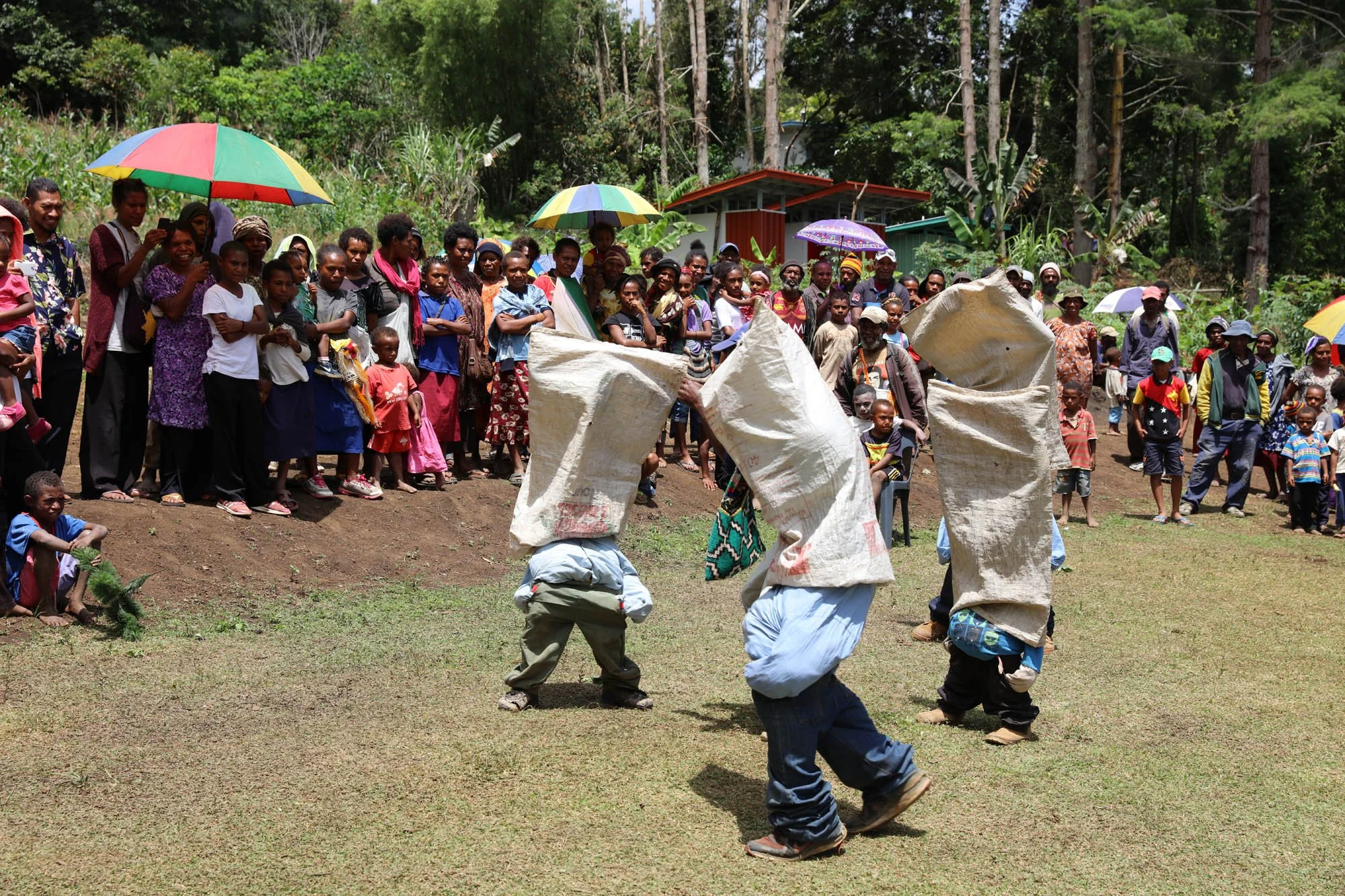
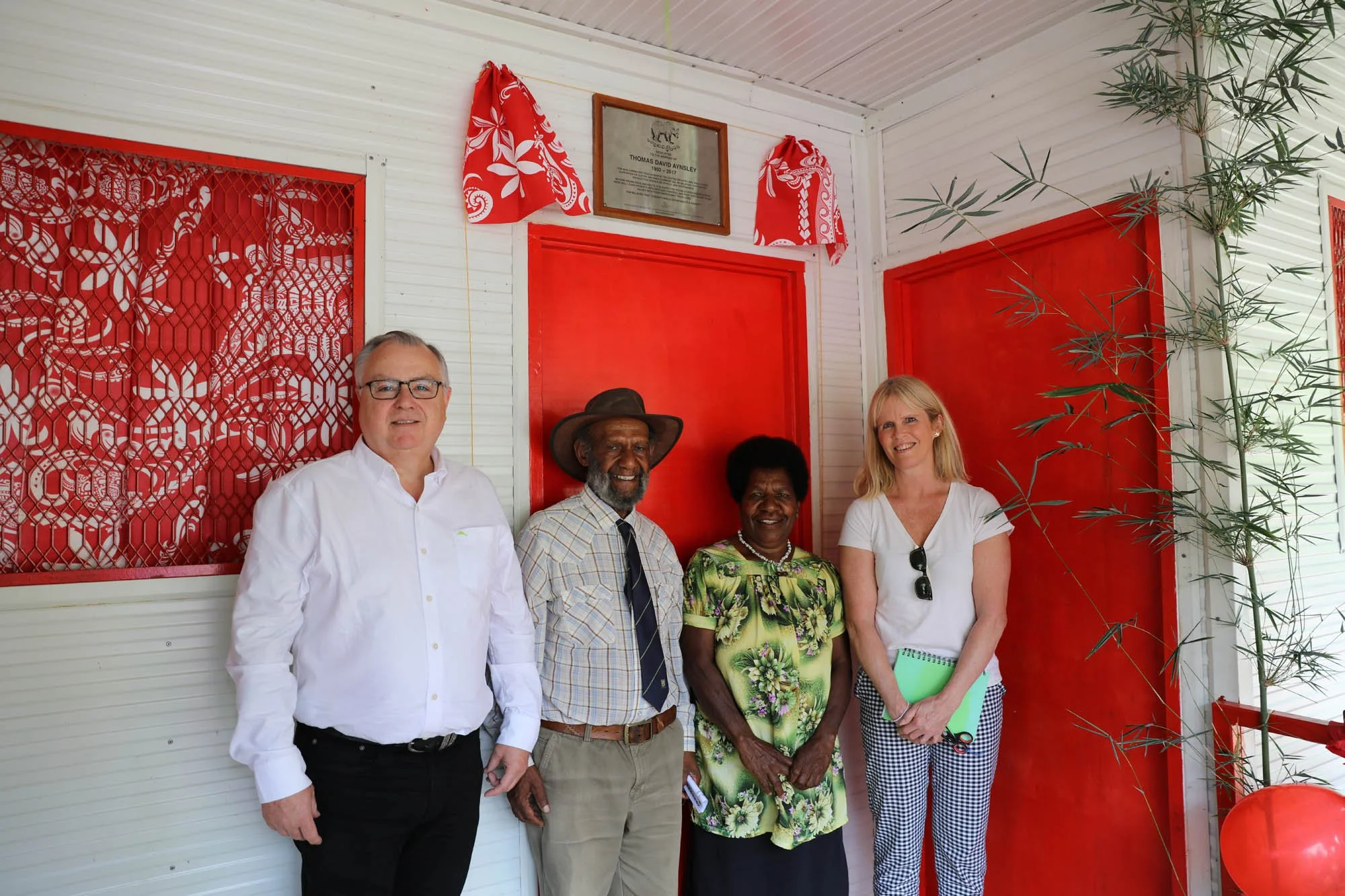
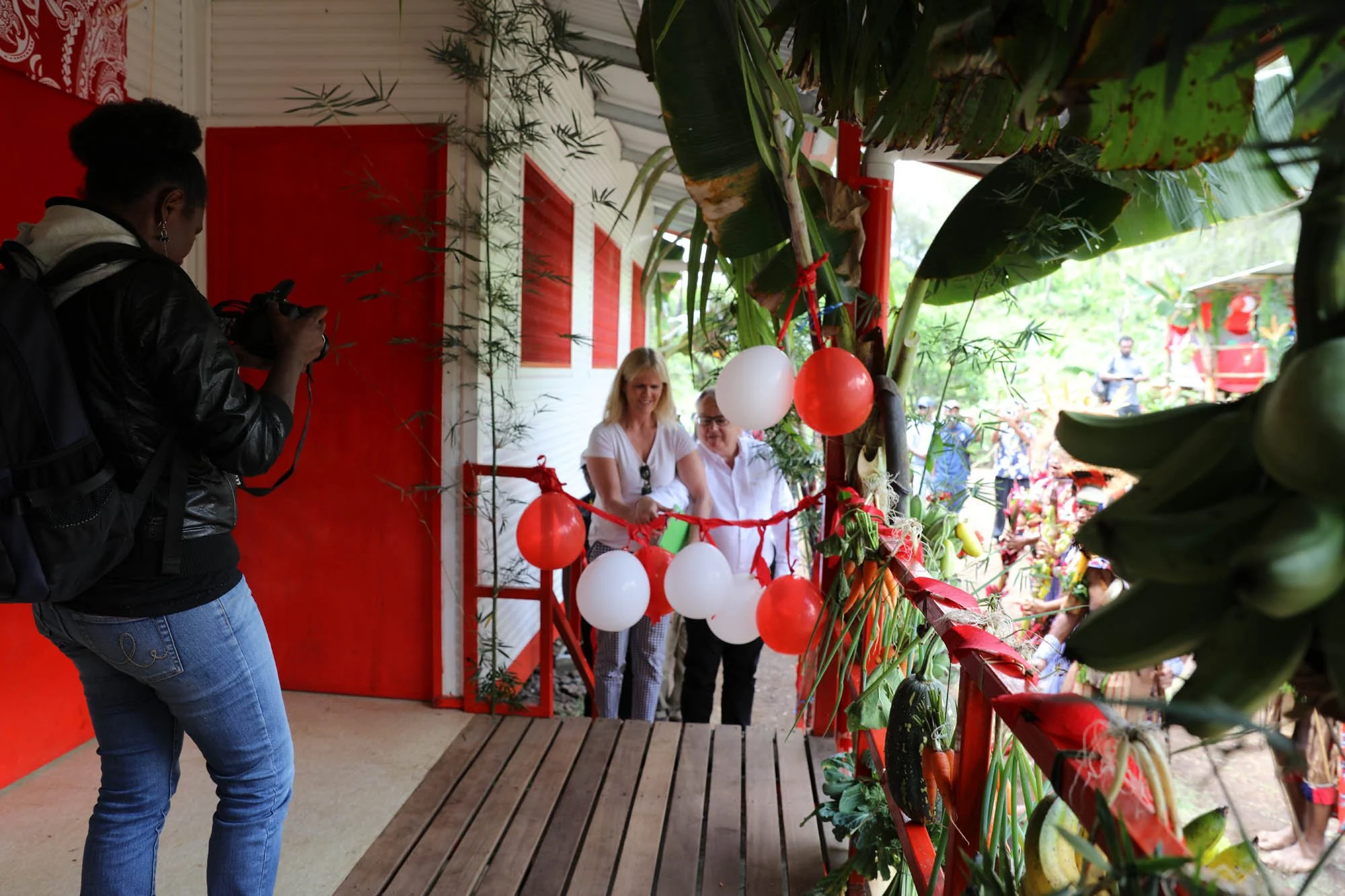
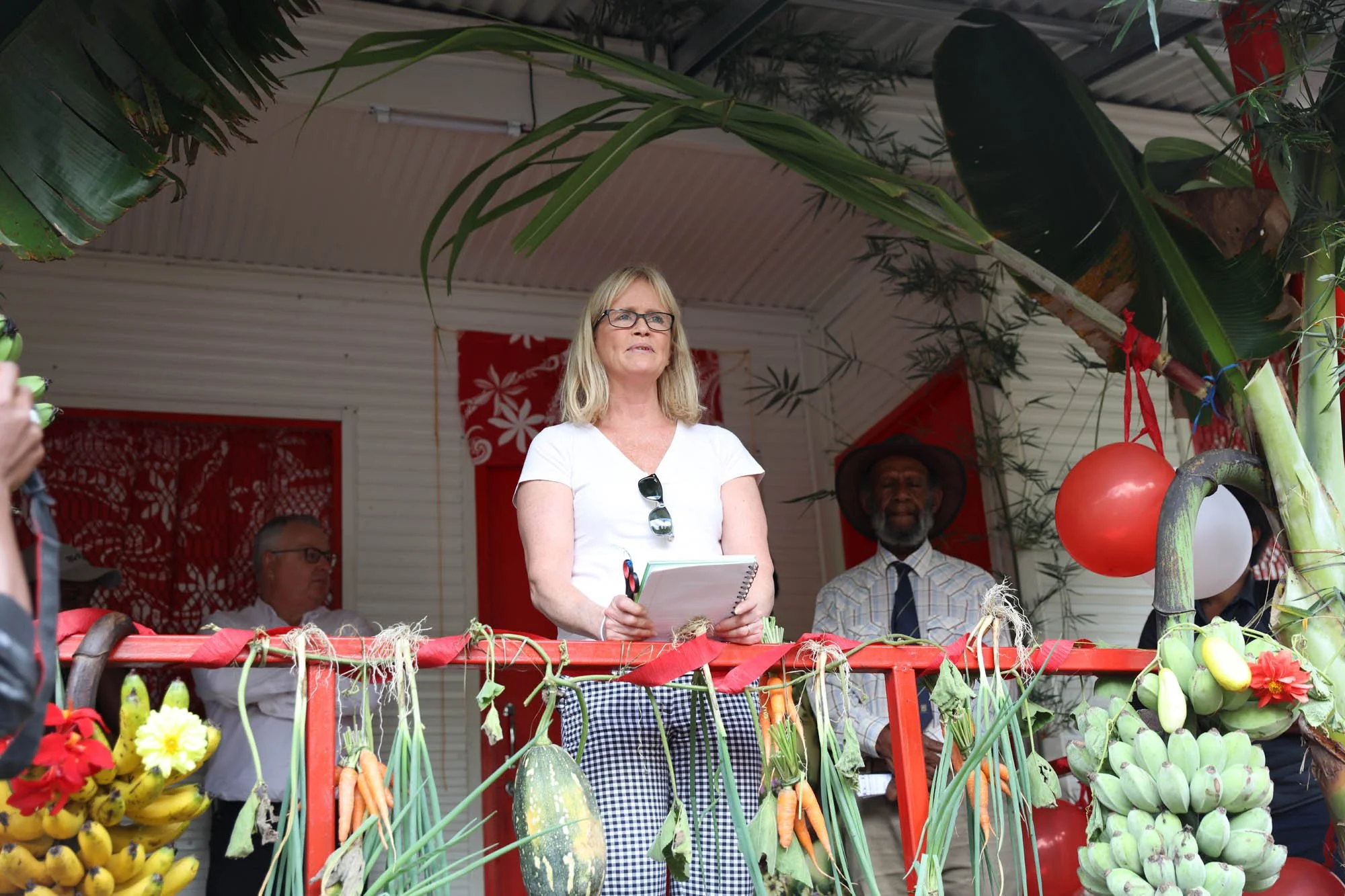
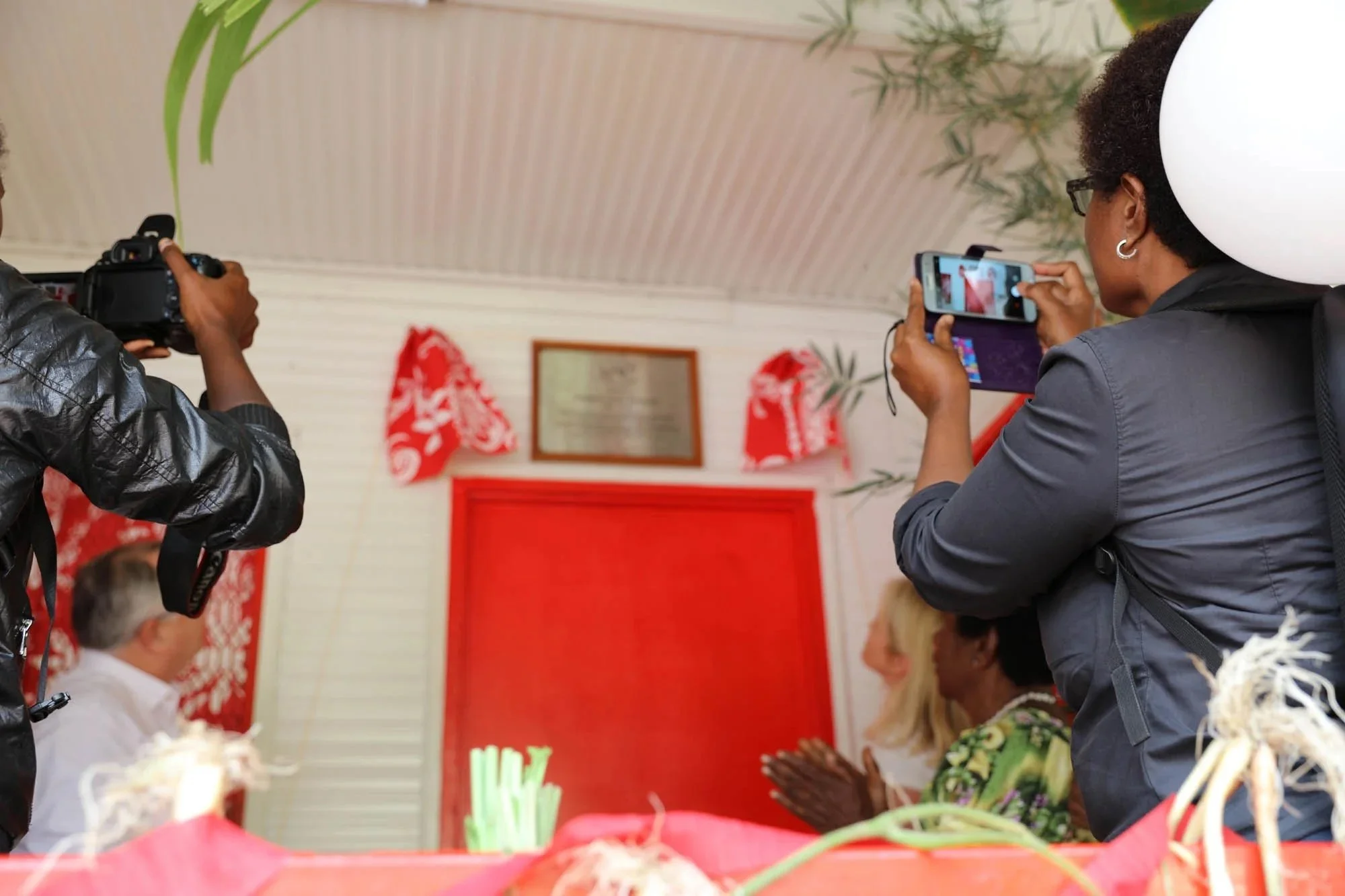
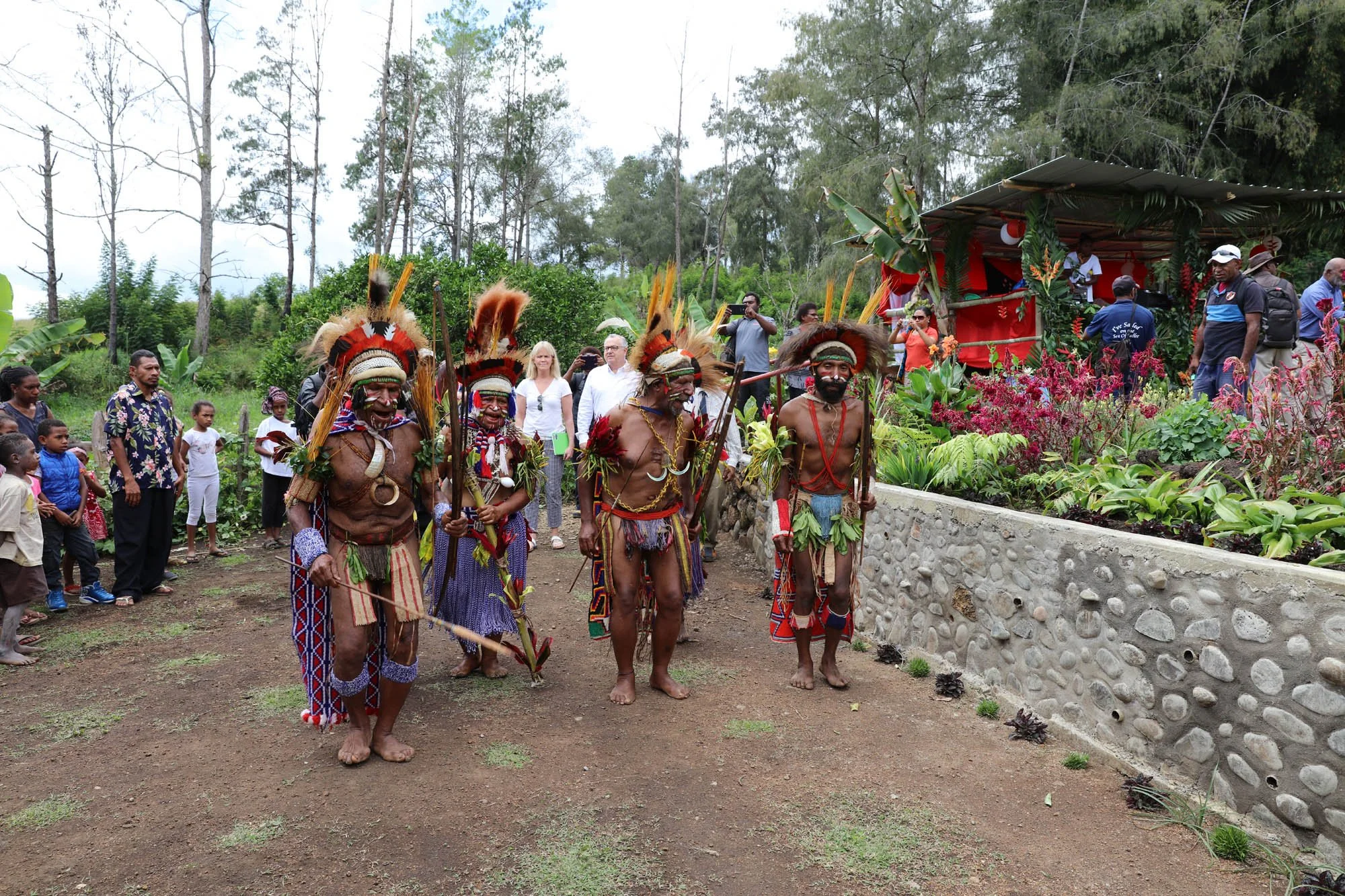
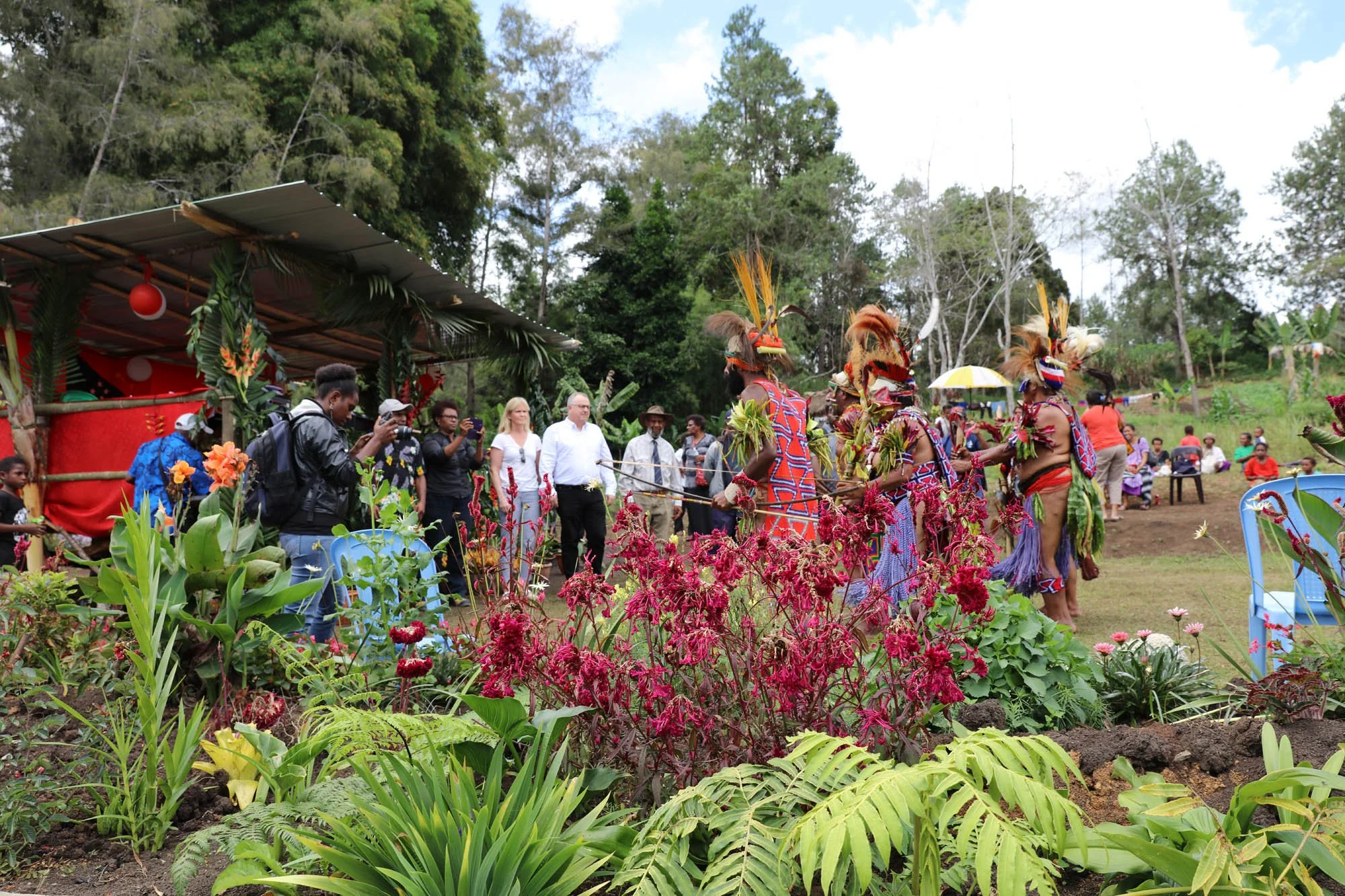
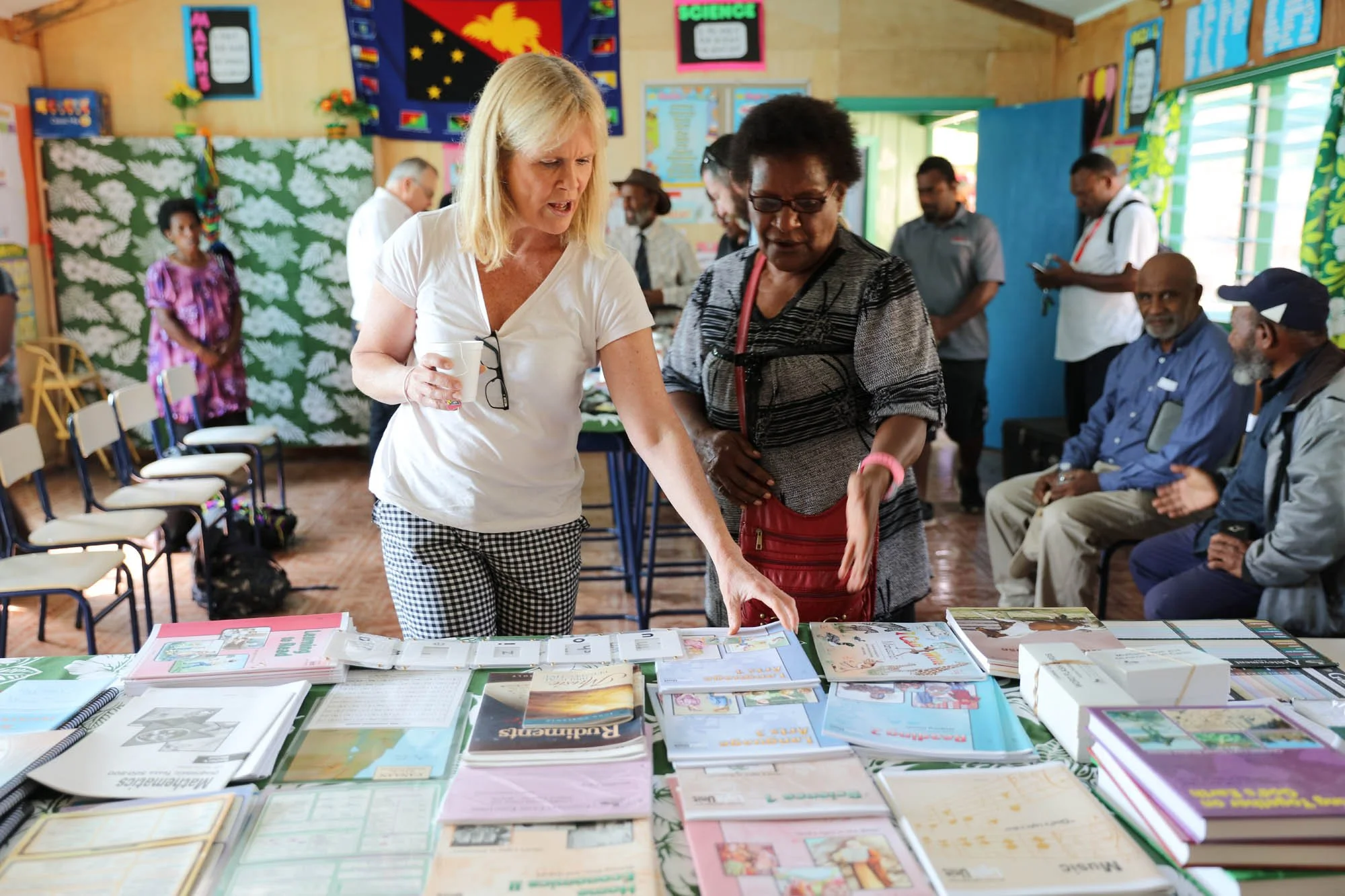
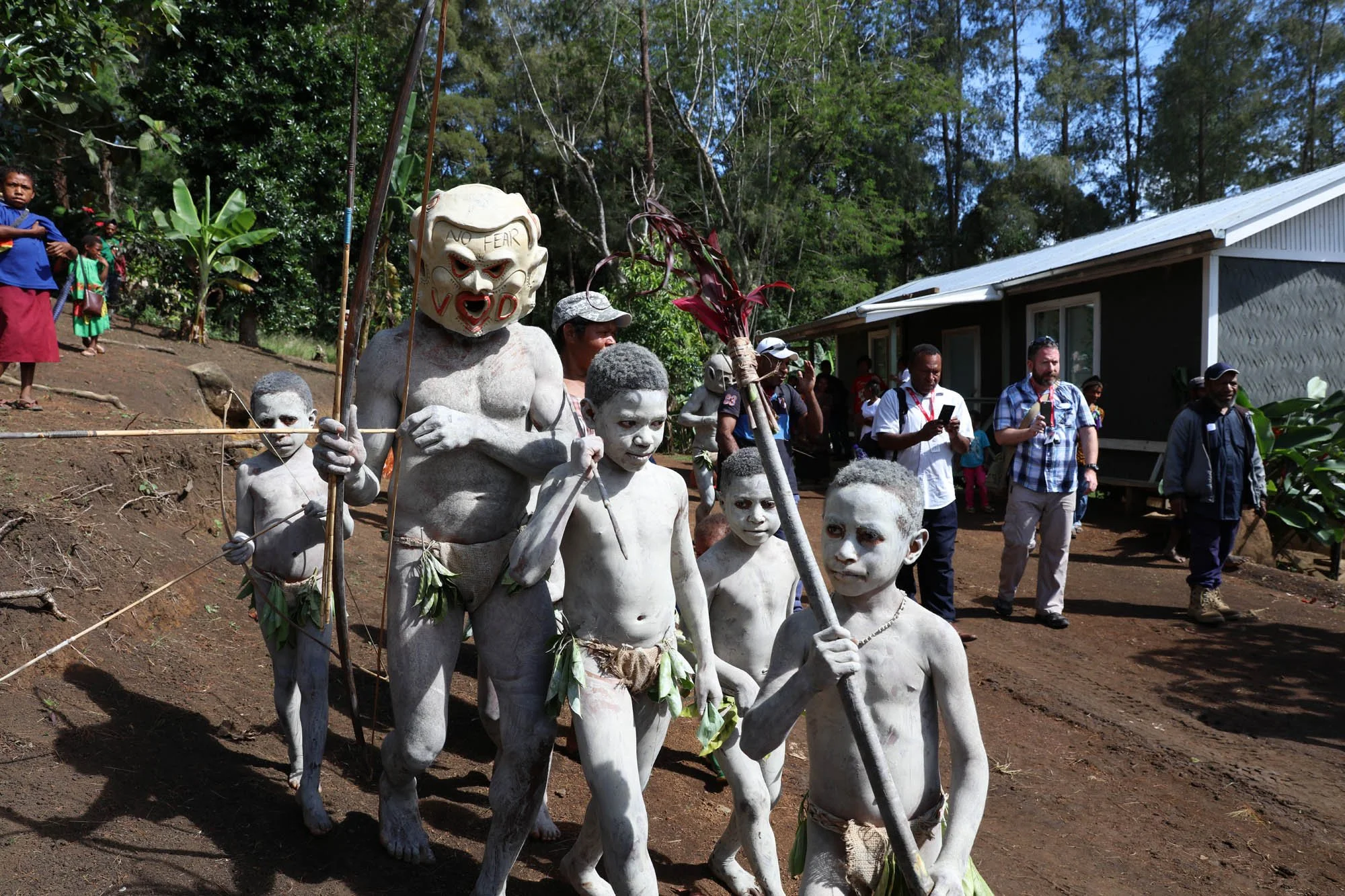
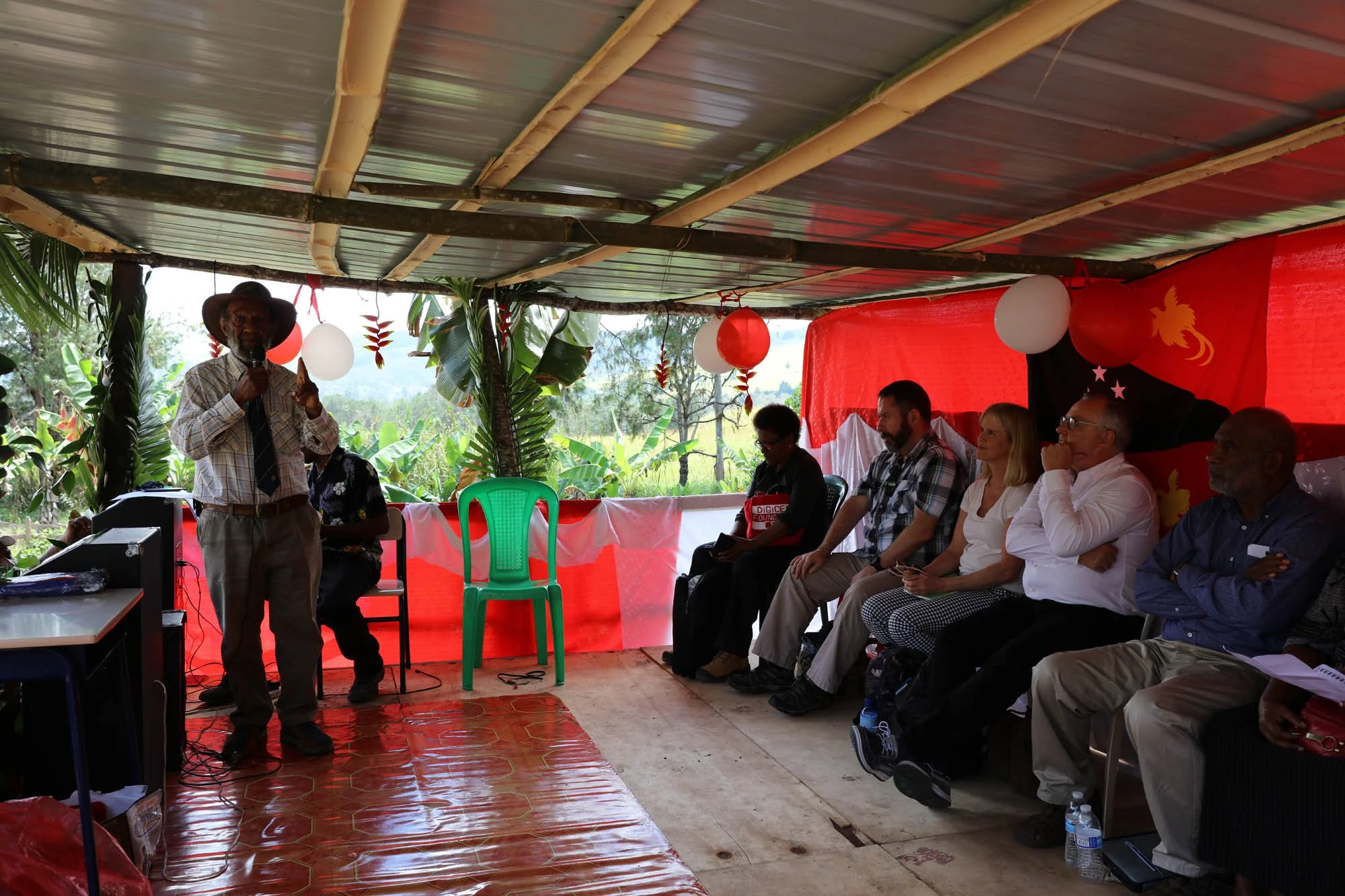
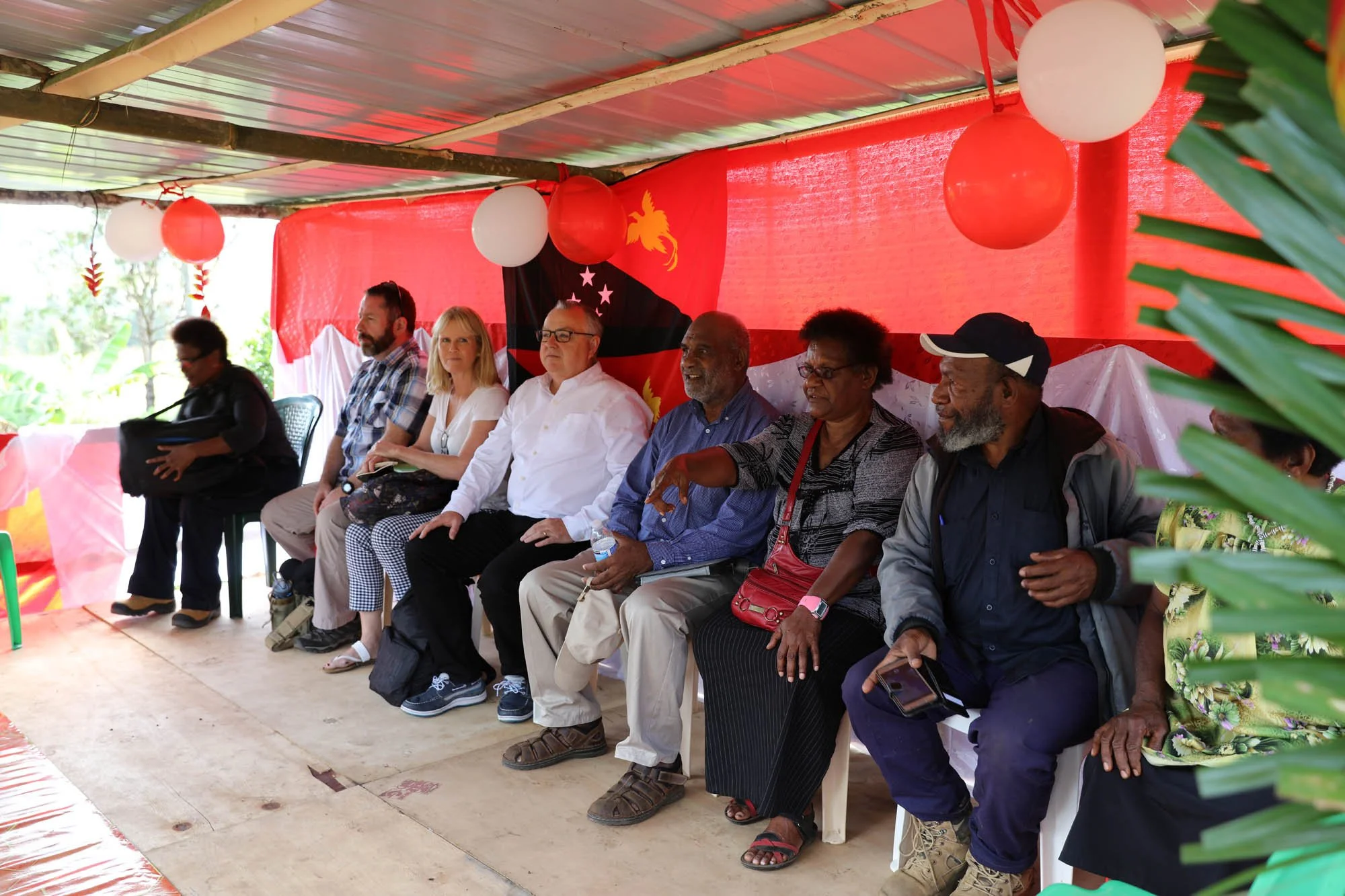
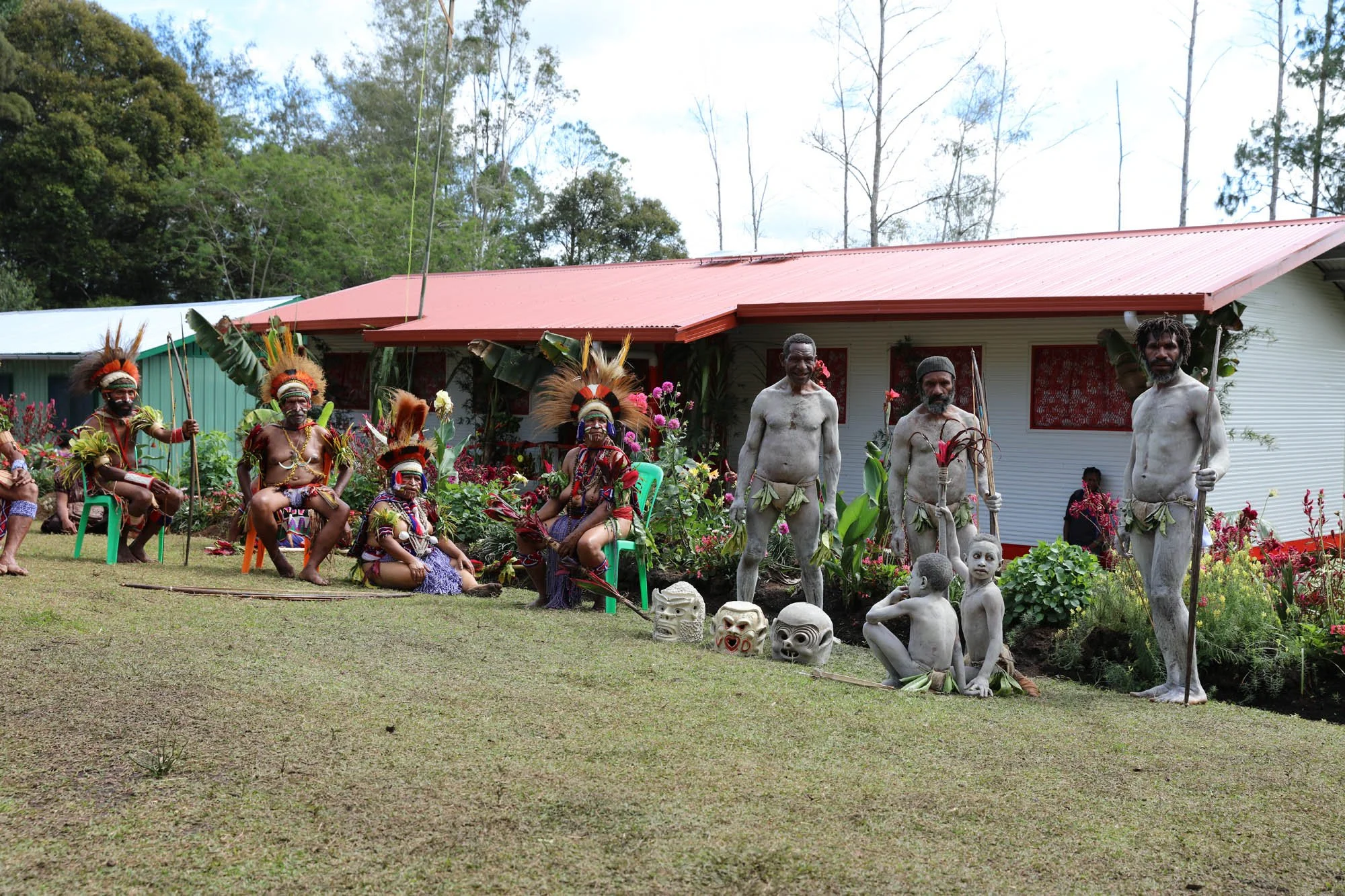
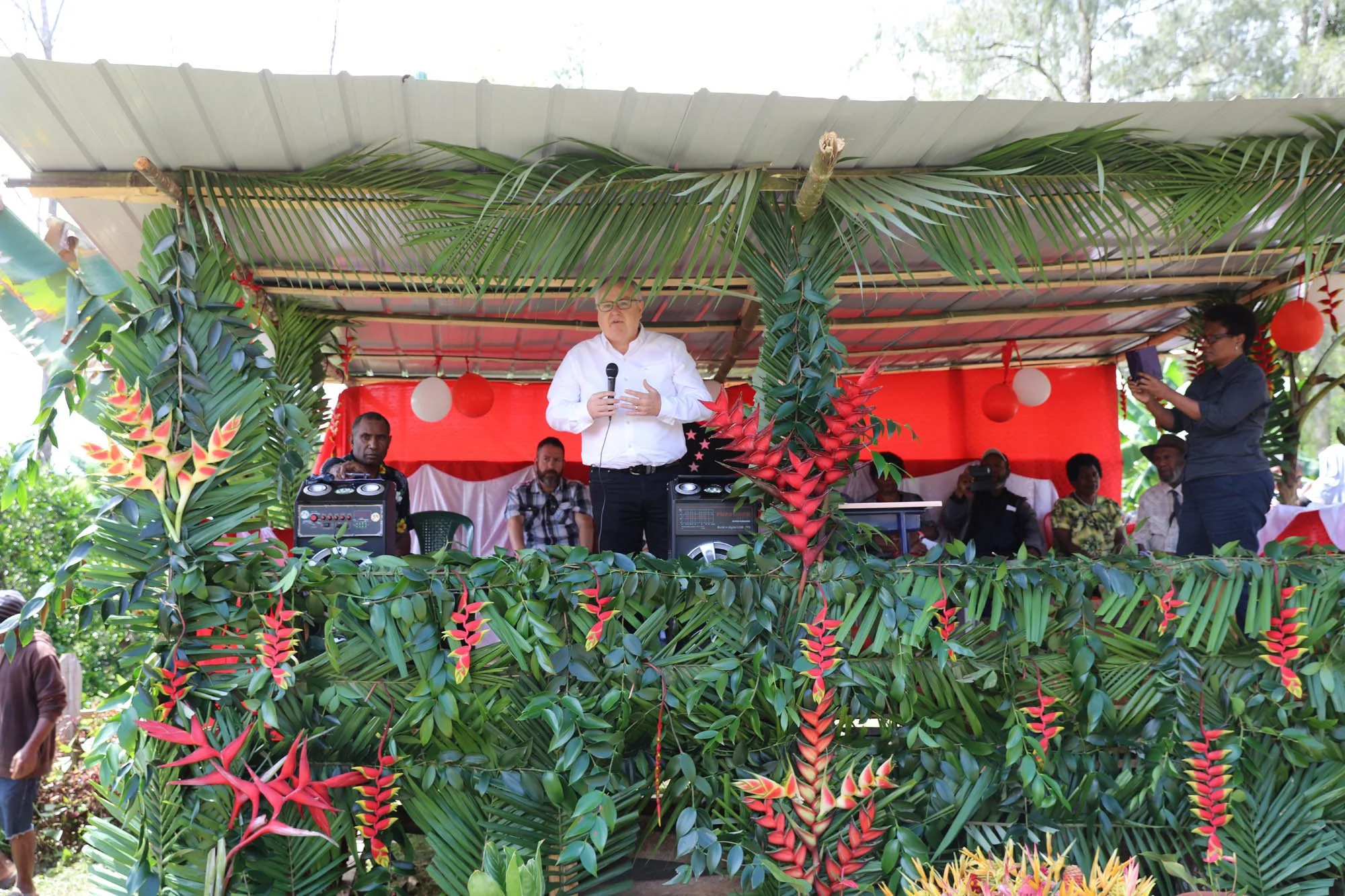
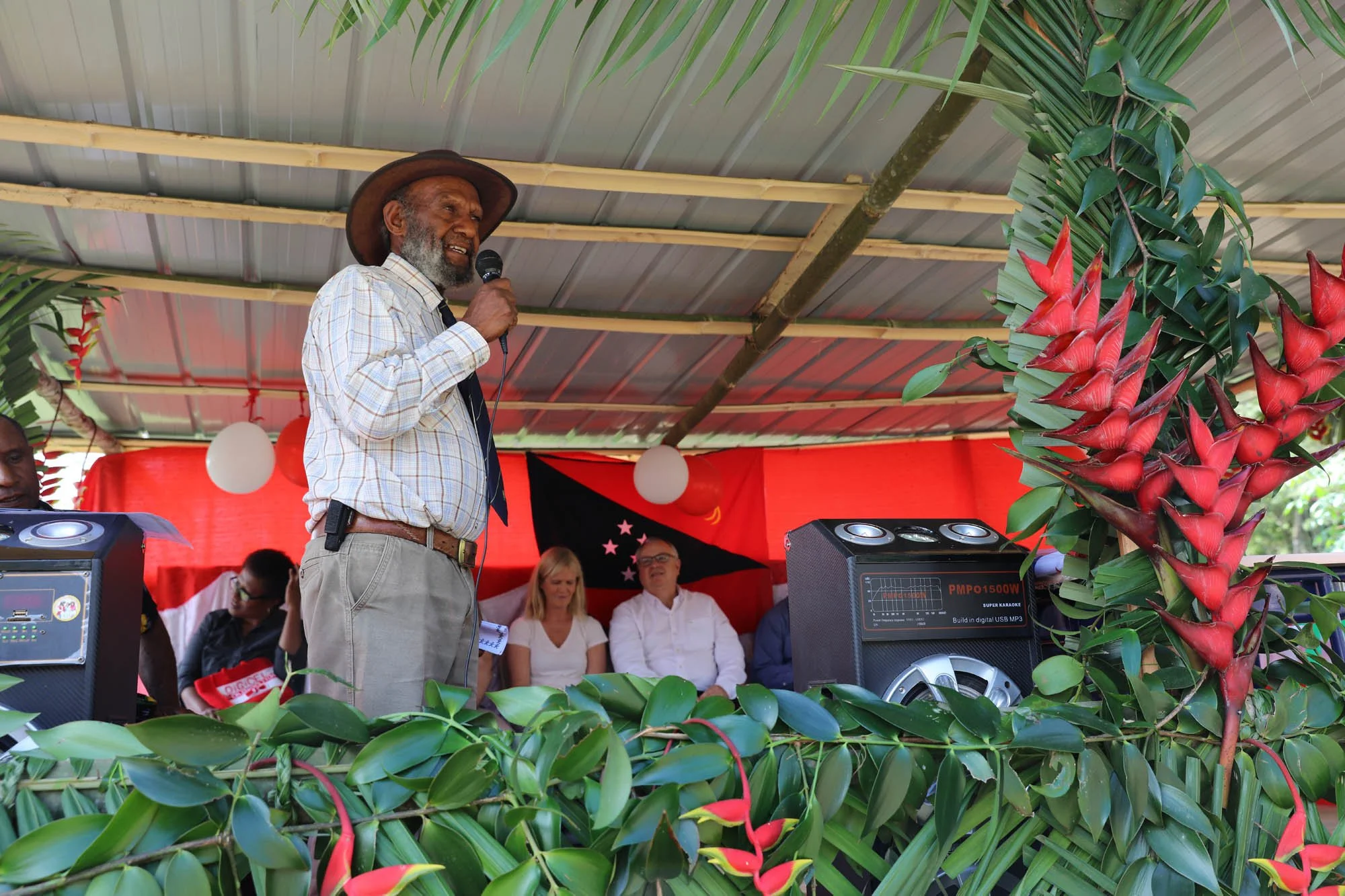
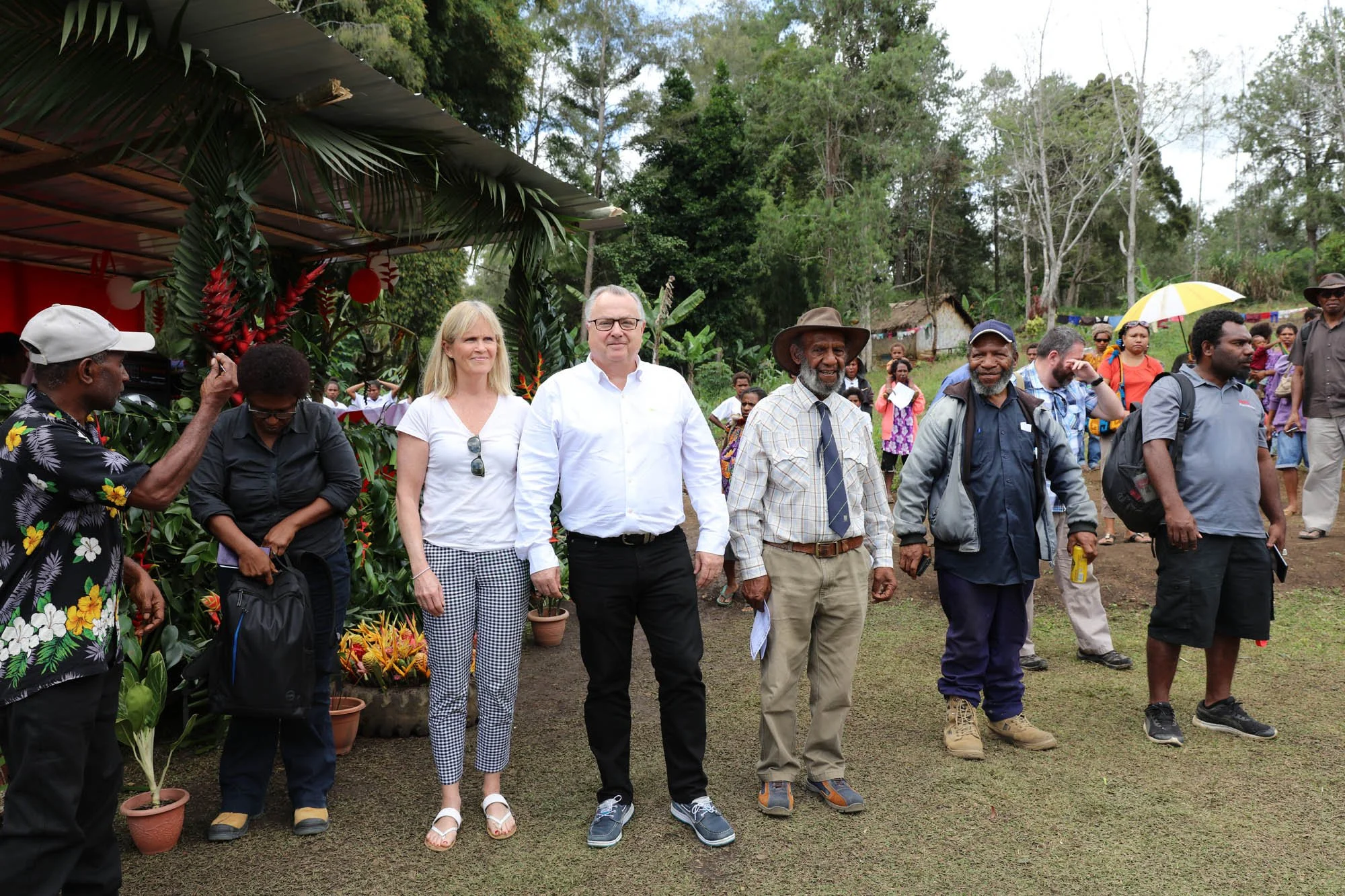
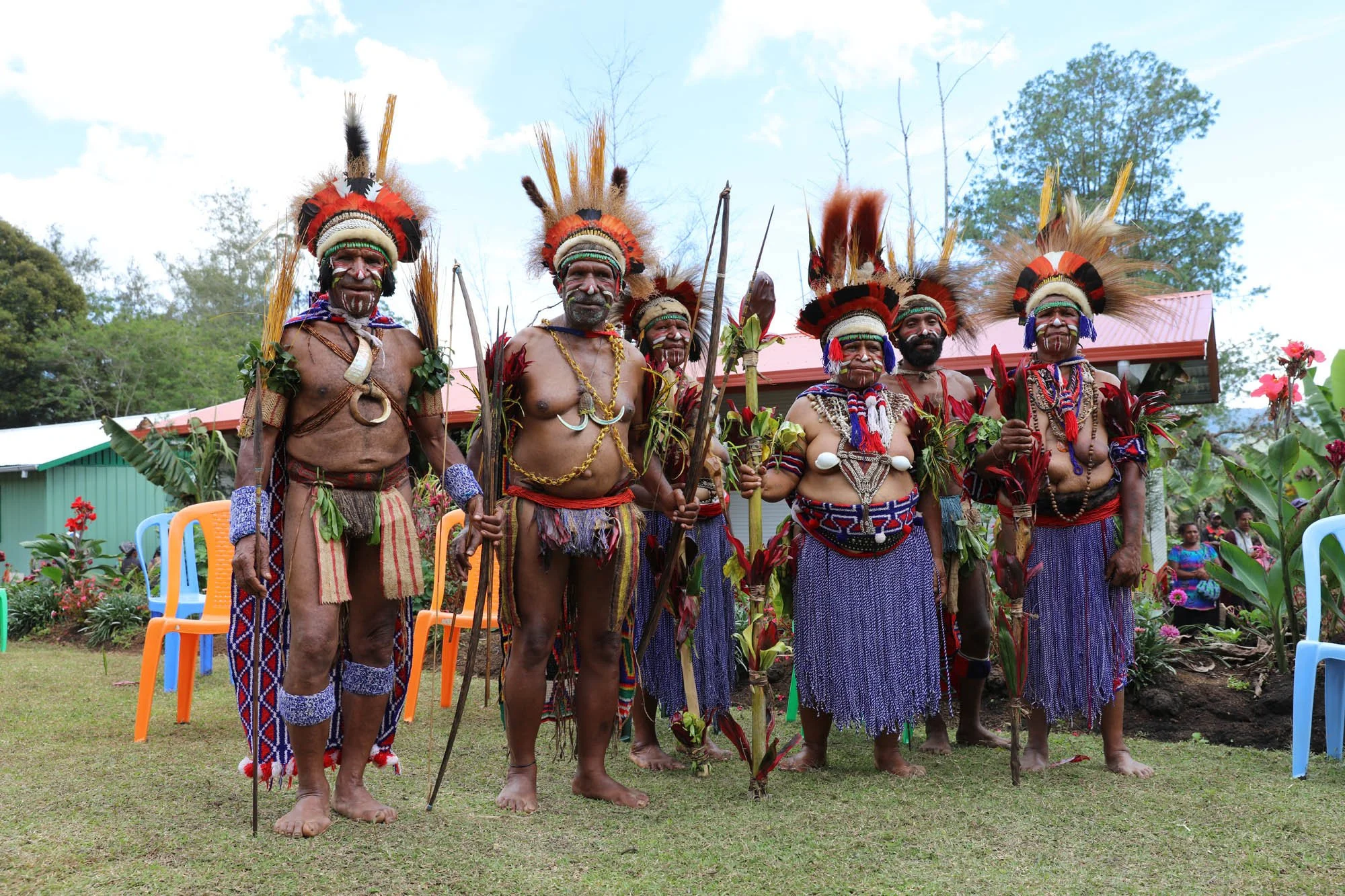
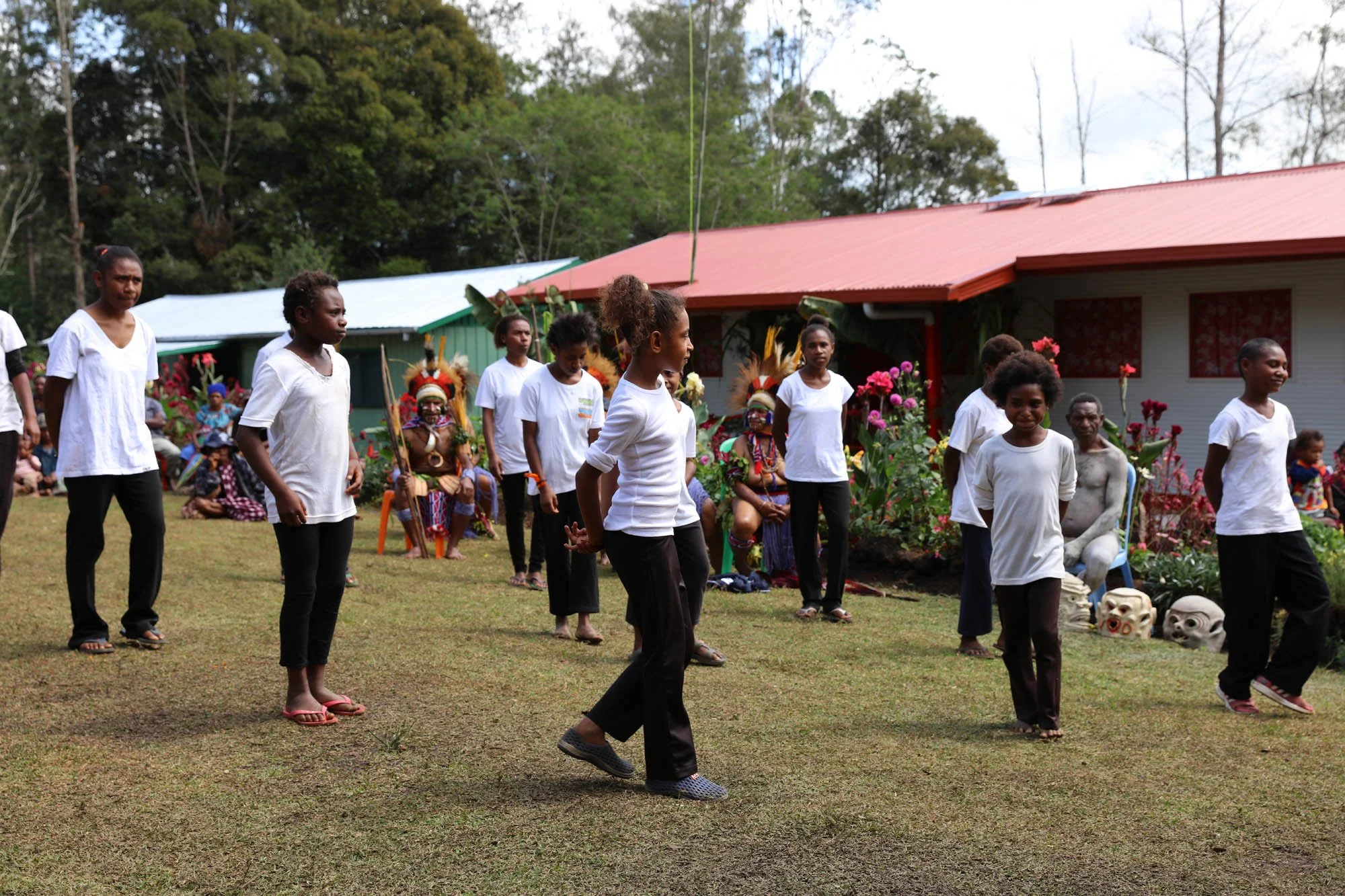
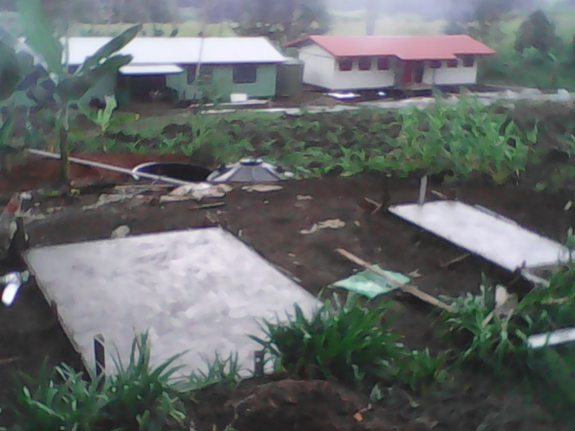
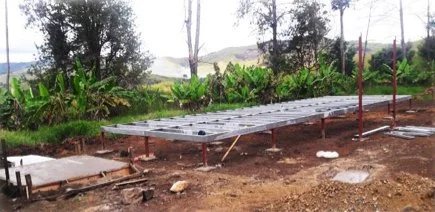
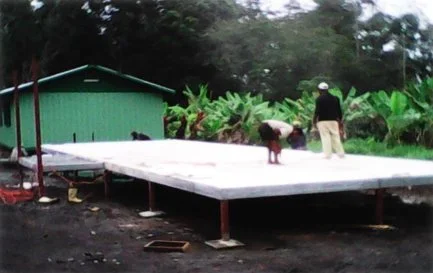
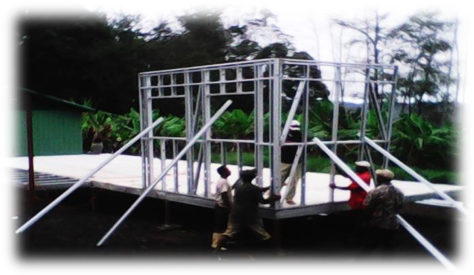
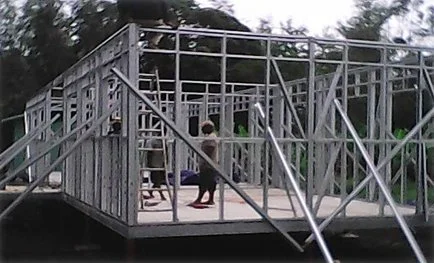
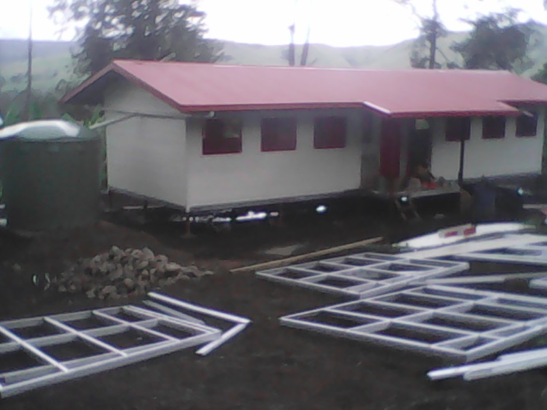
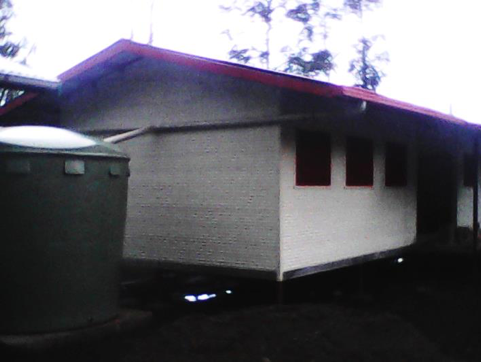
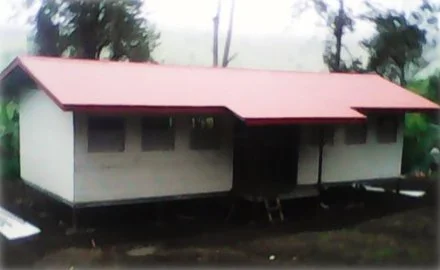
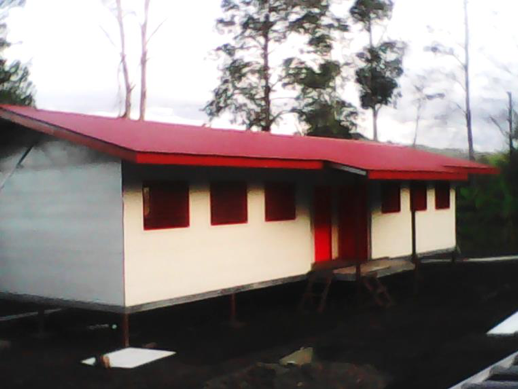
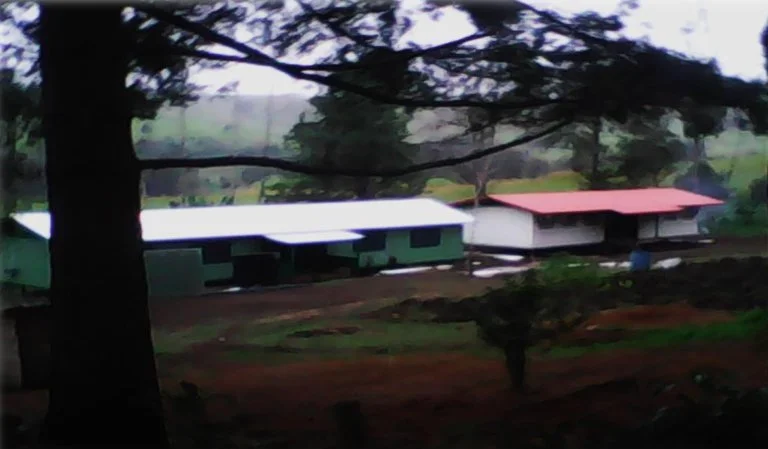
The following selection of photographs show the development of the Bauka ICLA School as it has evolved from a small Early Learning Centre into a substantial facility serving the needs of over 100 students in 2019.
BAUKA MICRO FARM & THE WOMEN IN COFFEE
The Bauka Micro Farm is situated in the green rolling hills of the Aiyura Valley backed by beautiful mountains, 1,200 to 1,800 meters above sea level, in the Obura-Wonenara District of the Eastern Highlands Province of PNG.
The surrounding mountains are covered with tropical rainforest. It is home to more than 114 species of birds identified so far, out of 842 different types of birds found in Papua New Guinea. Of the 42 species of Birds of Paradise, 4 have been identified on the ridges around Aiyura.
Up to 50 different birds are frequent visitors to the shade trees, coffee gardens and the secondary forest along the waterways. This is a perfect environment for an environmentally friendly coffee farm.
Coffee production is the backbone of the rural economy in the Highlands and, across the nation, about one-third of PNG’s people depend on coffee production for cash. Coffee was introduced into the Highlands in the 1930s and incorporated into the subsistence farming efforts of the farming community.
Jon and Marey Yogiyo purchased the land that is the Bauka Micro Farm in 1985 and for the past 33 years they have focused almost exclusively on the farming of coffee. Jon has pursued the evolution of their coffee growing activities to a commercially viable and sustainable business and is keen to work with and help the local growers to improve their productivity and to also move towards longer term sustainability of the District’s coffee production.
In 2000, Marey established the Bauka Women in Coffee (BWiC) initiative, founding the Bauka Blue Koffii, to encourage women in the District to make coffee a way of life to support themselves and their families. Marey recognised that the women spend a lot of time making and producing quality coffee, however, when everything was done, the men take the coffee to the markets and get all the money. The BWiC group decided to do it themselves so they could better support their families, paying school fees and attending to health requirements.
As the Yogiyo’s plantation and involvement in the community grew, they saw the need to provide an education service to their staffs’ children. The children were walking up to 2 hours just to get to the nearest school. Jon and Marey allocated land on the edge of the farm for a school and in 2015 opened an early learning centre. This has now grown into a school that in 2019 will serve around 100 students from the surrounding coffee producing community.
The successful farm that Jon and Marey have built is a wonderful example of how the subsistence farming efforts of coffee producers in PNG can evolve to sustainable businesses.